Reviewed · GRANADA CATHEDRAL & ROYAL CHAPEL
Granada: Cathedral and Royal Chapel Guided Tour with Tickets
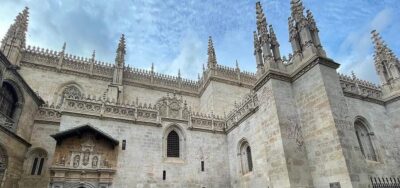
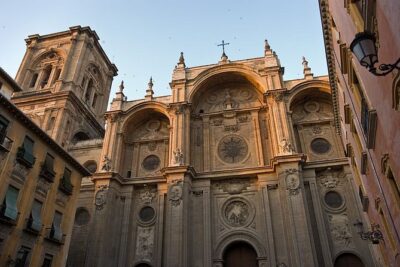
Granada’s Cathedral and Royal Chapel are one of those pairings that instantly makes sense once you’re there, even if your trip is short. You’re looking at Spanish Renaissance ambition built right on top of older Granada, and you get the big story behind why the Catholic Monarchs chose this city.
What I like most is the way the tour gives you a clear path through the art and architecture, not just a quick walk-by. I also like that the tickets are included, so you can focus on the monuments themselves, with an official guide available in English, Spanish, or French.
One consideration: this visit is not suitable for people with reduced mobility, and some areas have rules like no photos inside the Royal Chapel. If you need extra accessibility support, you will want to rethink the plan.
Key highlights worth your attention
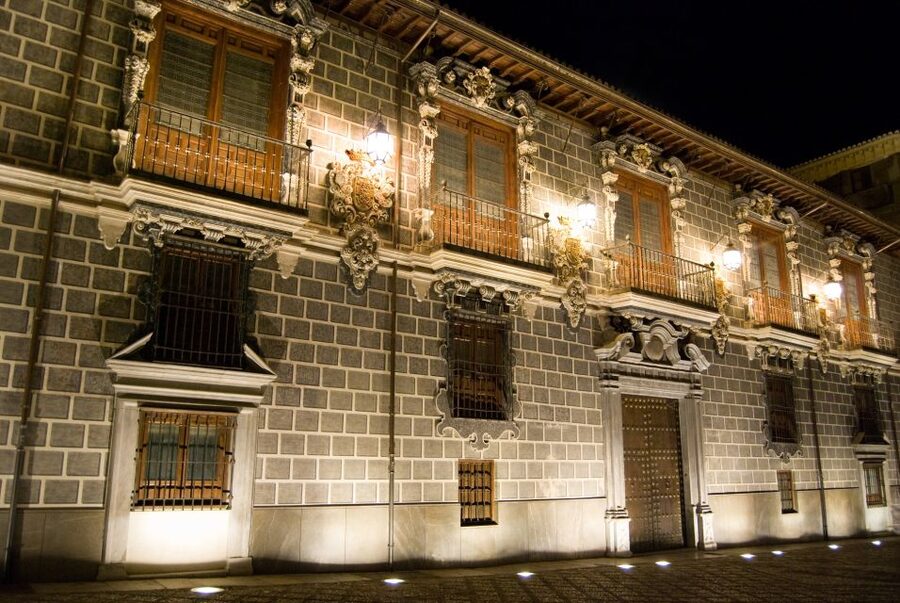
- A first big Renaissance stop in Spain, with the Cathedral described as the first Renaissance church in Spain and the second largest in the country
- The Royal Chapel as the burial place of Isabel and Fernando, the Catholic Monarchs
- Plateresque choir stalls and major artworks, pointed out by a guide as you move through the spaces
- A short, structured route starting at Plaza Isabel la Católica and looping through the old downtown
- Small group format that makes questions and pacing easier than in big crowds
Why Granada Cathedral and the Royal Chapel still feel like a power couple
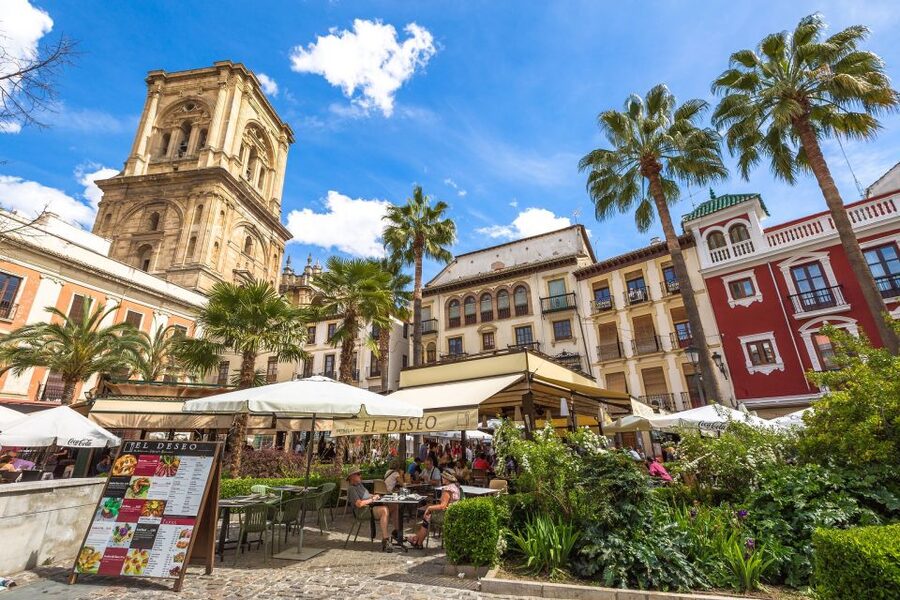
This is one of Granada’s most direct ways to understand how Spain changed. The Cathedral represents a Christian Renaissance statement, while the Royal Chapel ties that statement to the Catholic Monarchs, Isabel and Fernando, who unified the kingdoms and brought an end to the Islamic invasion.
I love that the tour frames these buildings as more than pretty walls. You learn how the “new urban model” differentiated the Christian city from the Muslim one, and you see it in the way Granada’s downtown pulls you from one historic layer to the next.
You also get a practical payoff: even if you only have a day, you can cover the most emblematic interiors with a guide. That saves you from guessing what matters most and where to spend your attention.
More of the Cathedral and Royal Chapel:
- Granada: Cathedral and Royal Chapel Private tour with ticket
★ 4.8 · 498 reviews - Granada: Cathedral, Royal Chapel & 5 Monuments Combo Ticket
★ 4.4 · 454 reviews - Granada: 3-Hour Cathedral and Royal Chapel Tour
★ 4.8 · 405 reviews
Starting at Plaza Isabel la Católica, then walking into the story
Your meeting point is Isabel la Católica Square, right behind the Monument of the Capitulations, with the statue of Queen Isabella I and Christopher Columbus. Aim to arrive 15 minutes early, because you’ll start the tour on time and the group needs to gather before entering.
From there, the route is designed to keep momentum. You begin at the Cathedral, then you move through nearby downtown lanes for a quick sense of place before finishing at the Royal Chapel.
The quick downtown stops matter because Granada does not feel like one theme park zone. The charm is in transitions, and this tour helps you connect the dots between old streets and monumental interiors without turning it into a long, exhausting day.
Granada Cathedral: the first Renaissance church in Spain, and a giant in scale
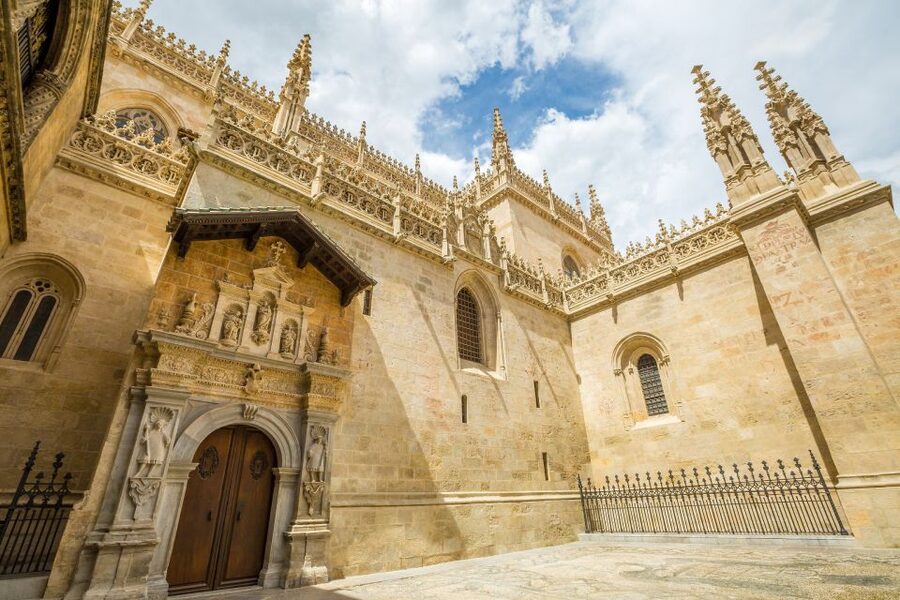
The Cathedral visit is the anchor. It’s your “how did this happen here” moment, because the monument is described as the first Renaissance church in Spain and also the second largest in the country.
Once you’re inside, the guide’s job is to help you see what you might otherwise overlook. Instead of you trying to decode style by yourself, you get a guided walkthrough that connects the Renaissance look to the Catholic story and to Granada’s city shift.
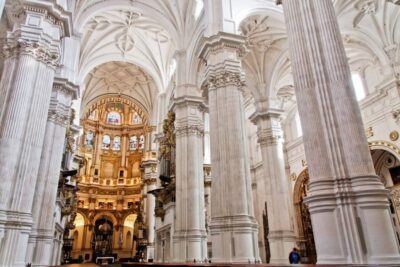
You’ll also encounter details that show just how monumental the Cathedral is. One guide description from a past group highlighted the presence of a chapel with a dome that rises about 45 meters. That kind of scale changes how you experience the space, because your eyes naturally climb and your brain stops treating it like a single room.
If you enjoy architecture, you’ll likely spend the Cathedral portion looking upward more than outward. That’s a good sign. These buildings are made to be read by height, light, and structure.
The art you notice because someone points it out
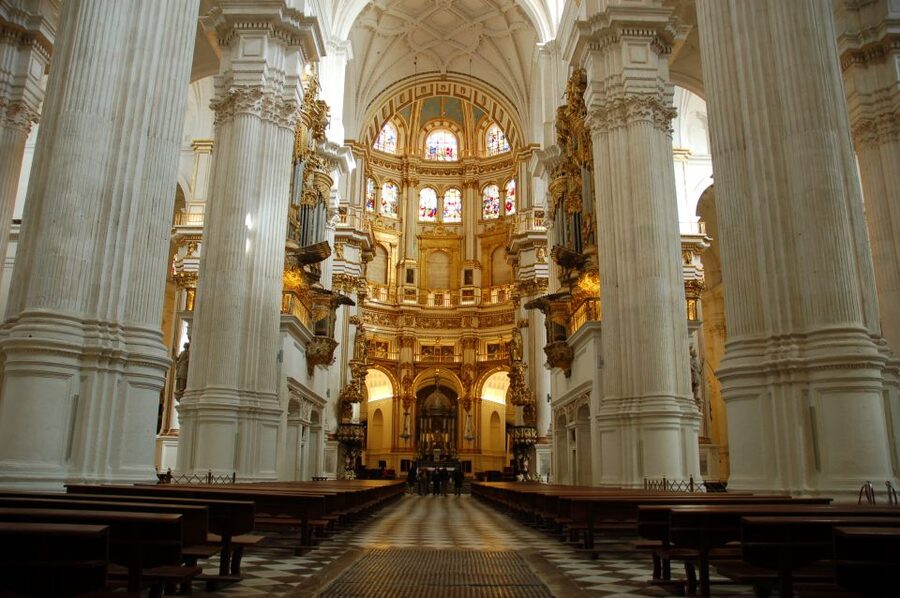
The tour is not only about walls and dates. It’s built around what’s inside, including major artworks and decorative features you can miss if you’re just moving quickly.
The description you’ll get includes mentions of paintings by world-renowned artists, and one standout item is the Plateresque choir stalls. Plateresque is one of those styles that sounds technical until you see the kind of intricate, almost jewelry-level ornamentation that fills the stalls.
What makes that valuable on a short tour is that you get direction on what to look for. Instead of “look around,” you learn which elements matter and why they were worth commissioning and preserving.
One past group also noted that the guide gave enough time to view key areas properly. That’s important here, because the Cathedral is crowded at certain times, and you will want a moment to slow down, not just pass through.
A few more Granada days to weigh up
- Granada: Alhambra & Nasrid Palaces Tour with Tickets
★ 4.7 · 19,801 reviews - Granada: Alhambra Entry Ticket with Audio Guide
★ 4.1 · 5,950 reviews - Granada: Alhambra Ticket and Guided Tour with Nasrid Palaces
★ 4.7 · 3,496 reviews - Granada City Train 1 or 2-Day Hop-On Hop-Off Ticket
★ 3.5 · 3,128 reviews
Calle Oficios and Alcaicería: quick pauses in Granada’s historic downtown
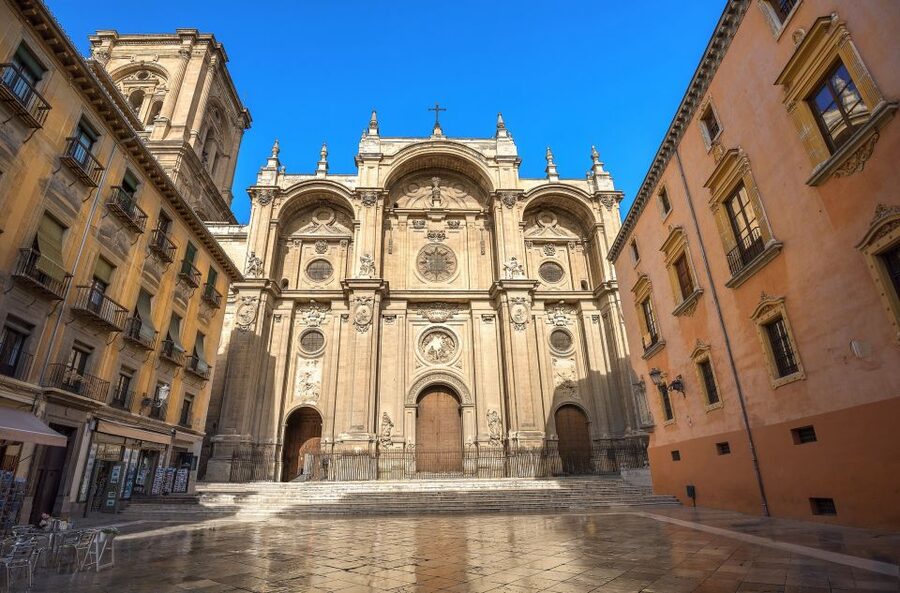
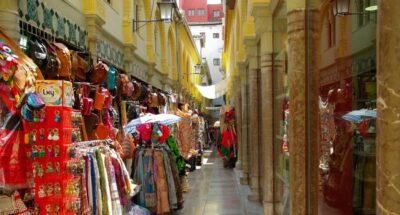
After the main Cathedral focus, the tour includes short stops around Calle Oficios and Alcaicería. These are brief, but they serve a purpose, like stepping out of a museum room to orient yourself to the neighborhood.
This is where the tour connects the Cathedral story to the everyday city feel. You’re not stuck staring at one interior for hours. Instead, you get short guided context while you walk, so you keep your understanding tied to the surrounding urban fabric.
One “value” angle here is efficiency. You’re adding context without losing time you’d rather spend inside major monuments like the Cathedral and Royal Chapel. If you only had a guide for one building, it would still be worth it, but the two short downtown stops help you leave with a stronger sense of Granada beyond a single landmark.
If you’re the type who loves streets, doorways, and old-town atmosphere, you might wish those pauses were longer. Still, for a 1-day plan, this pacing is practical.
Royal Chapel: burial site of the Catholic Monarchs, with strict photo rules
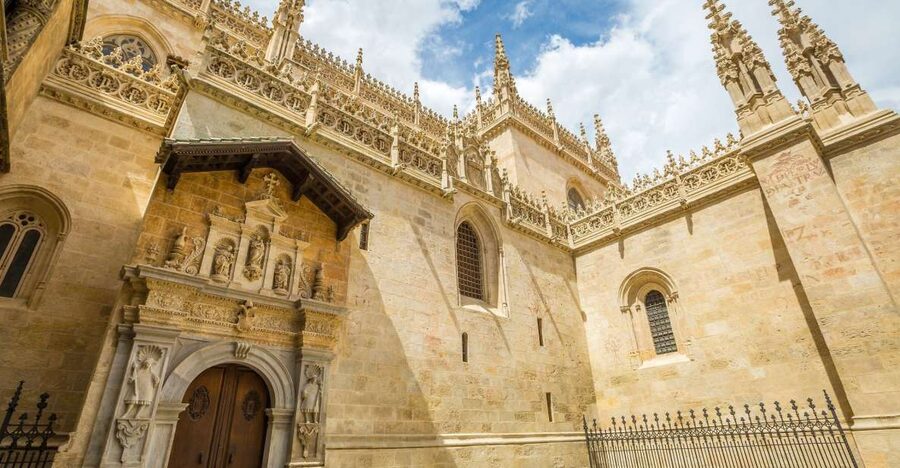
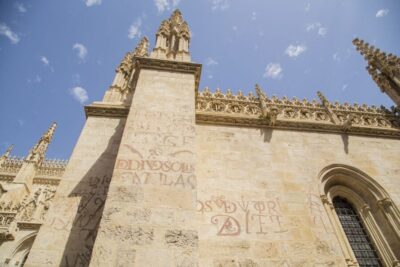
The Royal Chapel is the emotional center of this tour. It’s where Isabel and Fernando, the Catholic Monarchs, are buried, and the guide connects their story to the moment when their unified kingdoms reshaped the Iberian Peninsula.
Expect a focused visit. A past group emphasized that the guide brought everyone into the Chapel first and pointed out the key areas early, before moving on. Another detail that matters: photos are not allowed inside the Royal Chapel. If you like to document everything, plan to follow the rules and enjoy the moment with your eyes instead of your camera.
The Chapel also highlights major interior design elements, including the kind of artistic works housed within. The tour context helps you understand why these spaces were built and decorated with such care, tying aesthetic choices to political and religious meaning.
This is also a place where crowd timing matters. If you visit during peak religious seasons, you may encounter extra people and services. The good news is that the guide’s explanations and pacing help you get the value even when the room feels full.
What the best guides do (and why group size matters)
The quality of this experience hinges on the guide. The overall reviews put a spotlight on guides who explain details clearly and keep an upbeat, curious tone.
In particular, names that came up include Christian, praised for enthusiasm and for taking the time to let people look around and ask questions. Another name you might see in groups is Sara, also singled out with strong appreciation.
The practical takeaway for you: show up ready to listen, and you’ll get a lot more out of the art and architecture. Your guide is there to translate the Cathedral and Chapel into a story you can follow in real time.
One balanced note based on a less positive experience: some guides stick closely to a prepared script. If you ask a question far outside the planned flow, your answers may be more limited. So ask smart follow-ups, preferably related to the visible elements and the specific points the guide is covering.
Group size also matters. Small-group format usually means fewer people blocking your view and less chaos when the guide moves the group to the next spot. For interiors like these, that difference is real.
Duration and pacing: a short tour that still hits the big moments
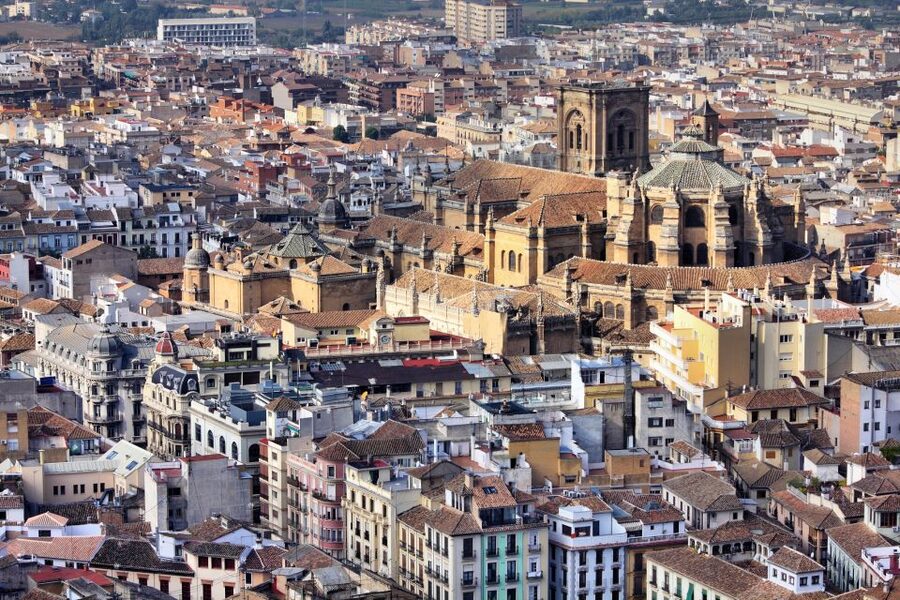
This is a tour built for a day plan. The guided visit runs about 1 hour and 15 minutes, and the itinerary includes short walks between the Cathedral area, nearby streets, and the Royal Chapel before returning to the start square.
That time structure is part of the value. You get the core interiors, plus enough street context to make the monuments feel like they belong to the city, not just to a checklist.
If you have limited time in Granada, this format is a good fit. If you want an extremely slow, deep museum-style experience, you might feel a little rushed. But for most travelers, the pacing is the sweet spot: you leave with clarity, not confusion.
Price value: why $50 can make sense here
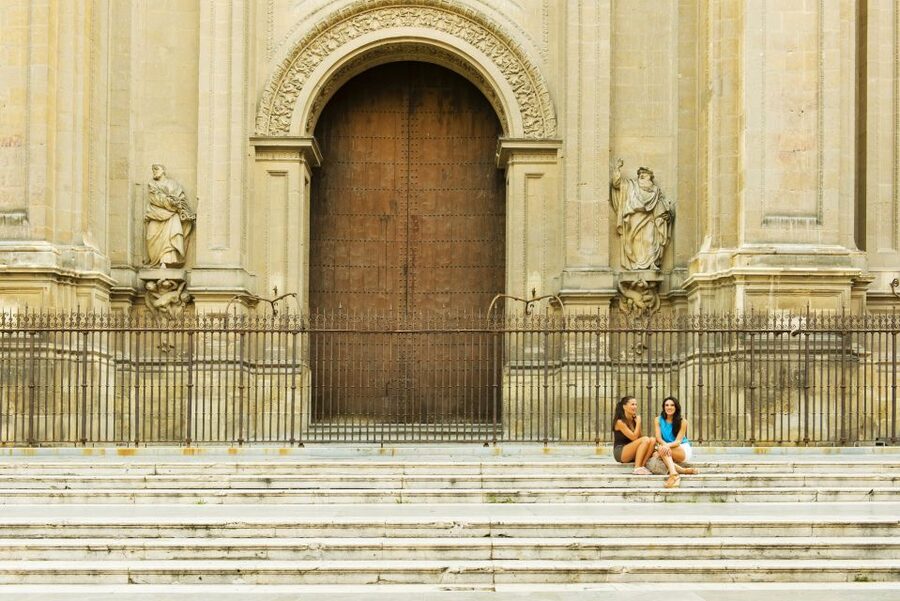
At about $50 per person, you’re paying for the guide plus tickets to both the Cathedral and the Royal Chapel. In a place like Granada, that can be a straightforward deal, especially when line-wrangling and entry timing are part of the daily friction of travel.
The better question is not just “is it expensive,” but “does it prevent you from wasting your time.” This tour helps you focus on the most emblematic spaces and helps you understand what you’re seeing while you’re still there.
It also saves you from figuring out which interiors are worth the effort. The guide highlights features like the Plateresque choir stalls and key points about architecture and art, which is exactly where self-guided time often turns into staring at things without knowing what matters.
Food and drinks are not included, so you’ll want to plan a meal before or after. The tour itself is designed to be about the monuments, not about turning into a full day of dining and roaming.
Practical checklist: what to bring and what to avoid
Bring a passport or ID card. You’ll also need to carry your reservation document on your mobile, and there’s no need to print it.
Keep your load light. Pets are not allowed, and luggage or large bags are also not allowed. If you travel with a big backpack, plan on storing it before you head to the meeting point.
One last practical detail: make sure you’re at Isabel la Católica Square behind the Monument of the Capitulations, since that exact location matters for group pickup. If you arrive late, you risk missing the start.
Who should book this, and who should skip it
This tour fits you well if you want a clear route and strong storytelling around Granada’s top Renaissance monuments. It’s also a good match if you like art and architecture but do not want to spend your trip reading explanations on your phone.
You should also consider it if you value structure. The tour is short, the group is small, and the focus stays on the Cathedral and Royal Chapel.
Skip or rethink if you need accessibility support. The tour is not suitable for people with reduced mobility, since the layout and floors are not fully enabled.
If you’re traveling as a couple, with friends, or solo, the small-group setup usually makes it feel personal without becoming awkward.
Final verdict: book it if you want the most meaning per hour
I think this is a smart booking for a first or second visit to Granada, especially when time is tight. For around $50, you get the guide, the tickets, and a plan that takes you to the Cathedral and the Royal Chapel without wasting hours.
The biggest “yes” is the combination of scale and story. The Cathedral’s Renaissance role and the Royal Chapel’s connection to Isabel and Fernando are the kind of pairing that makes Granada feel coherent, not scattered.
If you want a slow, independent wander where you control every turn, you can still do it on your own. But if you want the value of expert guidance in a short window, this is a strong pick.
FAQ
How long is the guided tour?
The guided visit is about 1 hour and 15 minutes.
What’s included in the price?
The price includes an official guide, tickets for Granada Cathedral, and tickets for the Royal Chapel.
Where is the meeting point, and when should I arrive?
You meet at Isabel la Católica Square, behind the Monument of the Capitulations. Arrive 15 minutes early.
What languages are available?
The live tour guide is available in French, English, and Spanish.
What do I need to bring?
Bring your passport or ID card. You should also have the reservation document on your mobile.
Is the tour accessible for people with reduced mobility?
No. This tour is not suitable for people with reduced mobility due to the layout and floor conditions.
Latest to land in Granada
- Granada: Authentic and intimate Flamenco Show with Snacks★ 4.2 · 9 reviews
- Guided tour Granada Unexplained★ 5.0 · 5 reviews
- From Granada: Day Trip to Trevélez with Ham Factory★ 4.6 · 12 reviews
- Albaicín and Sacromonte Sunset tour + Flamenco show★ 5.0 · 11 reviews
- Guided tour Conspiracy in the Albaicín★ 5.0 · 6 reviews
- Water paths. Private adventure and history tour★ 5.0 · 6 reviews
- Albaicin guided tour with dogs★ 5.0 · 6 reviews
- Vía Ferrata in Granada – Moclín★ 5.0 · 4 reviews
Granada Cathedral & Royal Chapel, side by side.
Cathedral and Royal Chapel Private tour with ticket
Read our review →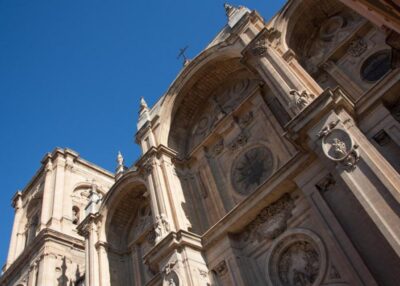
Cathedral, Royal Chapel & 5 Monuments Combo Ticket
Read our review →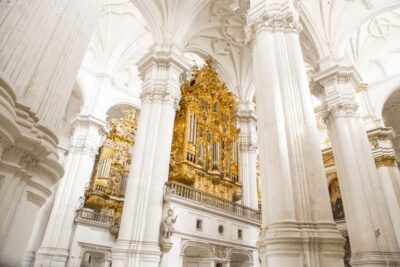

This tour also appears in