Reviewed · GUADIX & GRANADA GEOPARK
Granada Geopark: Stargazing Tour with Telescope
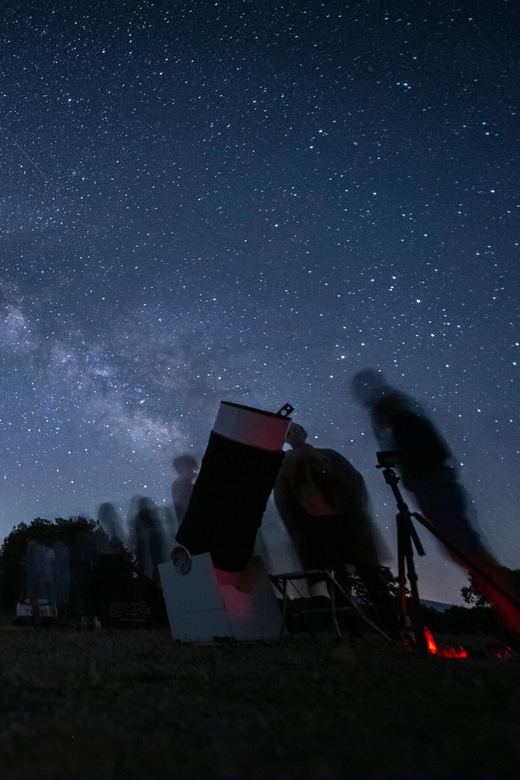
Stargazing around Granada is usually a mix of clouds and car headlights. This Granada Geopark tour fixes the key problem by taking you to a light-pollution-free spot in the Sierra Nevada National Park, at nearly 1,800 meters. You get the guidance, but also the sky, the way it should look.
I love the way the guide, Leo, uses an astronomical laser to teach you your way around the night sky fast. I also like that the telescope time isn’t just for bright stars, you also get views of fainter targets like galaxies and nebulae when conditions are right.
The one possible drawback is simple: it can get cold. Even in summer, the temperature can drop a lot at night in the mountains, so warm clothing is non-negotiable.
Key things you should know before you go
- Light-pollution-free viewing in Sierra Nevada for noticeably better star visibility than you get in town
- Astronomical laser intro to learn the sky’s main landmarks before the telescope comes out
- A high-quality telescope used to observe stars, planets, moons, and deeper objects like nebulae and star clusters
- Clear 2-hour format that blends sky education with real telescope observing
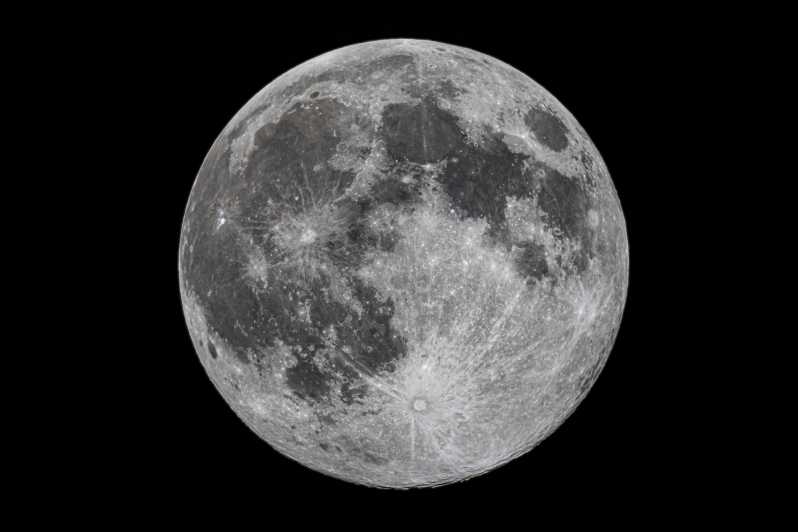
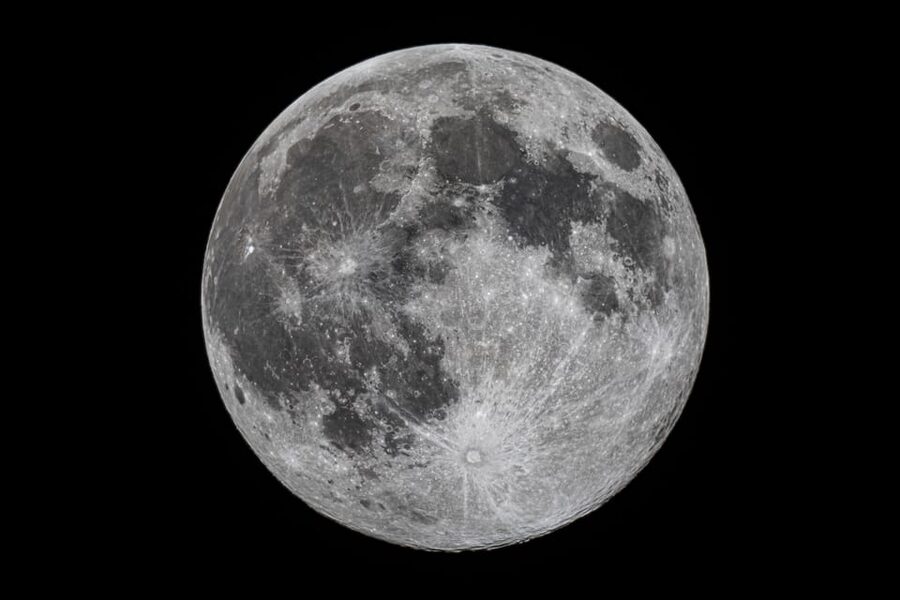
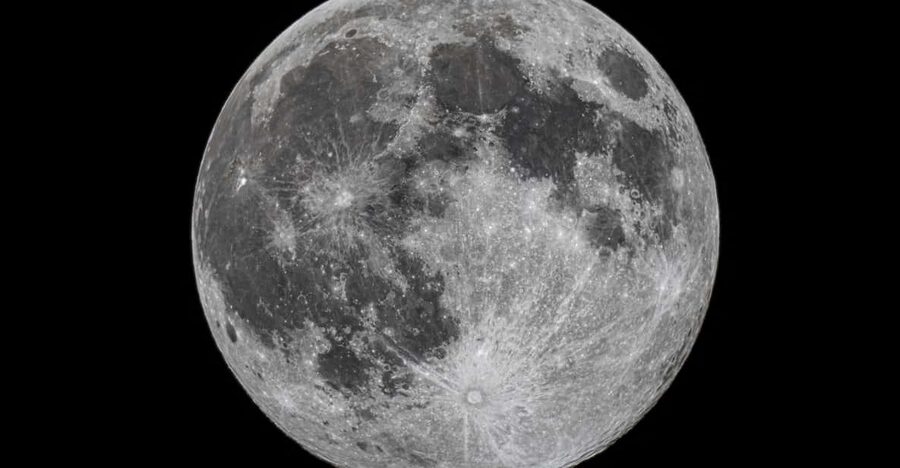
- Moon photo moments, including a group photo and sometimes a chance to take your own Moon shot with your phone
Granada Geopark Stargazing in the Sierra Nevada: the big reason it works
The biggest advantage here is where you look. Instead of trying to see faint galaxies from a city glow, you go to an open location in the Sierra Nevada National Park, away from urban lights. That matters because the darker the sky, the more your eyes and the telescope can actually pull out.
Add the altitude, nearly 1,800 meters, and you often get sharper views of the heavens than you would lower down. The tour is built around that, so you spend the time on learning and observing, not on searching and guessing.
You can also expect a guided approach that stays friendly for beginners. You do not need to know constellations already. You start with how the sky moves, where to look, and what you are seeing through the scope.
More of Guadix and the Granada Geopark:
- Granada: End of the World Viewpoints 4×4 Tour in the Geopark
★ 4.8 · 19 reviews - Gorafe: Los Coloraos Desert 4×4 Tour
★ 5.0 · 16 reviews - Guadix: Cathedral of Guadix Entry Ticket
★ 4.8 · 9 reviews
Meeting at Mirador del Marquesado, then learning the “celestial sphere” first
The experience begins at Mirador del Marquesado. From there, you move to the viewing area where the astronomer guides you through the sky in a structured way over the full 2 hours.
First comes the “map” lesson. You use an astronomical laser to introduce the celestial sphere. Think of it as learning the night sky’s big reference points so the telescope views make sense instead of feeling random.
Then you learn to recognize main stars and the constellations connected to them. The tour includes the myths tied to these patterns, which is great because it gives you a memory hook. After that, you practice the basics of orientation using the apparent movement of the sky. This is the part that makes the rest of the night click, even if you are brand new to astronomy.
A key bonus: this pre-telescope section turns you from a passive watcher into an active observer. You start building a mental picture of what direction to look and why.
Telescope time: what you can actually see in the night sky
After the intro, the tour shifts from learning to looking. The guide brings the attention to the most prominent objects first, which is smart. It helps your eyes adjust and gives you quick wins before the fainter stuff.
Through the high-quality telescope, you can expect to observe a mix that covers different “depths” of the universe:
- Stars, planets, and moons
- Galaxies, nebulae, and star clusters
You do not need to memorize a catalog before you arrive. The value is in being shown the objects and connected them back to what you just learned with the laser.
One practical note: telescope results depend on the night sky clarity. When the sky is clear, that range of objects becomes much more rewarding. If clouds roll in, the guide may shift to what is still visible. Either way, you should come away with a much stronger sense of what is up there than you could get from a quick look on your own.
Also, pay attention to the guide’s pacing. In a good astronomy tour, the best moments are often the ones where the guide explains what you are looking at before you focus on it yourself.
How the astronomical laser lesson makes the telescope views easier
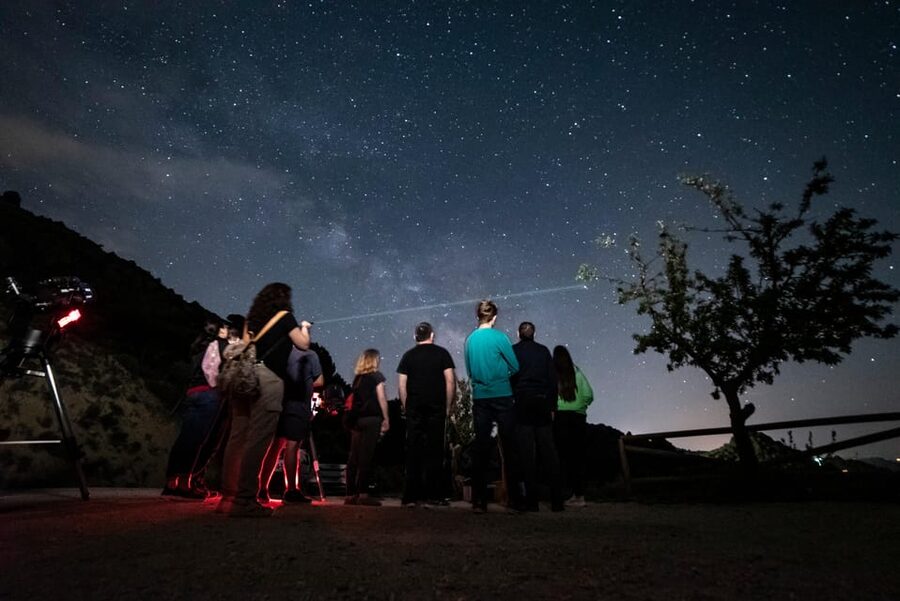
A telescope is impressive, but it can also be disorienting at first. That is why the astronomical laser part is more than a gimmick.
When the guide uses the laser to point out positions and relate them to constellations, you start to connect the sky’s shapes with real references. You also learn the sky’s movement and how to orient yourself. So when you move to the telescope, it feels like you are traveling to a destination, not staring at a random dot.
This format is especially helpful if:
- you want to learn without technical jargon
- you want to find objects again later
- you are traveling with someone who likes facts but not complicated math
In other words, the laser lesson is the “why” behind the “wow.”
Same city, a completely different kind of day:
- Granada: Alhambra & Nasrid Palaces Tour with Tickets
★ 4.7 · 19,801 reviews - Granada: Alhambra & Generalife Fast-Track Guided Tour
★ 4.7 · 8,313 reviews - Granada: Alhambra & Gardens Tour w/Nasrid Palaces Option
★ 4.5 · 6,437 reviews - Granada: Alhambra Entry Ticket with Audio Guide
★ 4.1 · 5,950 reviews
What you get to take home: group photo and Moon shots
The tour includes a group photo. It is a small thing, but it helps you remember the night and avoids that awkward moment of asking strangers to take pictures while you are trying to look through equipment.
There is also a chance to take a picture of the Moon through the telescope with your own phone when possible. This part is worth planning for because your phone will likely try to autofocus or adjust exposure on the dark sky.
A good tip: keep your expectations realistic. The phone Moon shots tend to work best when the conditions are good and the guide can position things. Even if your first attempt is not perfect, you usually get a few tries during the Moon moment.
Price and value: is $28 a fair deal for 2 hours of astronomy?
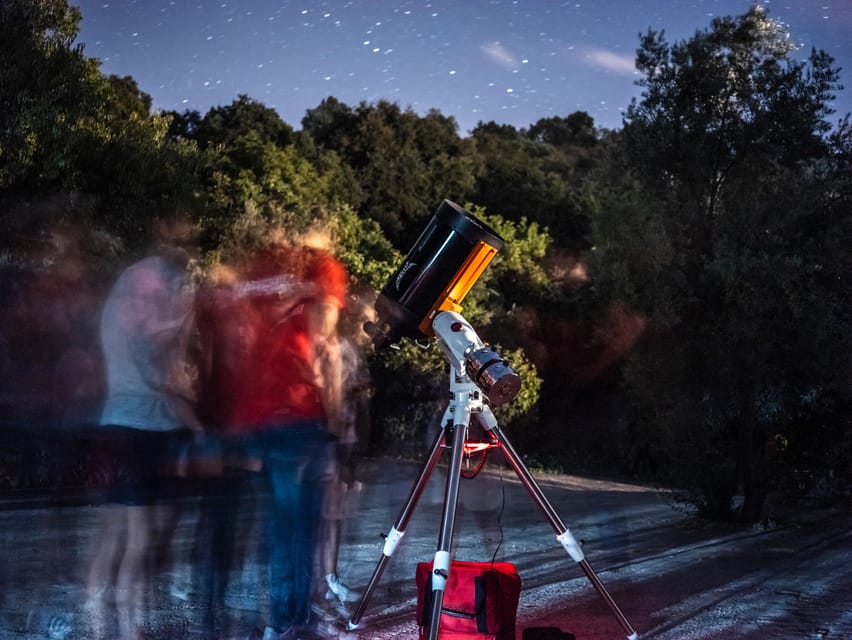
At around $28 per person for a 2-hour guided stargazing session, the value comes from three practical ingredients you rarely get together:
1) a dark-sky location in the Sierra Nevada National Park
2) a guided lesson that helps you actually understand what you are seeing
3) professional telescope observing for both brighter and deeper targets
Many astronomy experiences either show you the sky with no telescope, or they hand you a scope with no context. Here you get both education and observing, and you do it in a structured flow.
The guide matters too. In the experience feedback connected to this tour, Leo gets praised for being a strong professional and for explaining things clearly. That is what turns a telescope session from a cool picture hunt into an actual learning night.
If you are the kind of person who enjoys being guided rather than wandering alone, this price is in the sweet spot.
When to go and what to wear for nearly 1,800 meters at night
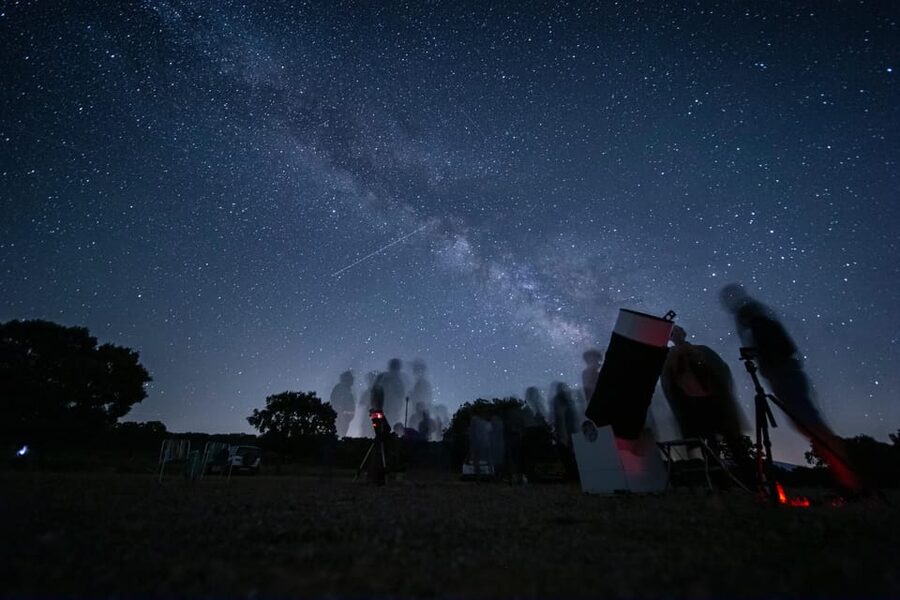
Even if you visit in summer, bring warm clothing. The tour makes this clear for a reason, temperatures can drop significantly at night in the mountains.
Layering is your friend. A warm base layer and something wind-resistant usually help, because cold at altitude often feels sharper. If you get cold easily, bring extra warmth for your hands and ears. You want to focus on the sky, not on shivering through it.
Also, plan to stay outside for the full 2 hours. This is not a quick drive-by. The best telescope moments often come after your eyes adjust, so dressing for comfort is part of getting the full value.
Who this stargazing tour is best for
This is a smart fit if you want a beginner-friendly introduction with a real astronomy setup. You do not need prior knowledge of constellations. You start with main stars, learn orientation, and then move into telescope observing.
It is also a good choice if you like a mix of stories and science. The tour includes myths of constellations, which makes the patterns more memorable when you try to spot them later.
Because it is wheelchair accessible, it is a good option for people who want a guided stargazing experience without giving up mobility needs. If you have accessibility questions beyond that, you will want to confirm details with the operator directly.
Quick reality checks: what can affect your night
Even with a great telescope and a dark-sky location, the night can change. Clouds, haze, and wind can impact visibility. The tour is designed around the clearest conditions, so your best chance is picking a night that looks calm and clear.
Another reality check is your own focus span. Two hours sounds short, but it can feel long in a good way if you stay engaged. Bring a positive attitude, ask questions, and let the guide direct your attention.
Should you book the Granada Geopark stargazing tour?
If you want a guided night under real mountain-dark skies, I think you should book it. The combination of an astronomical laser sky lesson, a professional telescope, and a setting away from city lights makes this more satisfying than most casual stargazing.
Book it especially if:
- you want to learn constellations and orientation, not just look
- you are traveling to Granada and want an “out of town at night” experience
- you appreciate clear explanations from a guide like Leo
Skip it only if you are absolutely not comfortable standing outside in cold temperatures. Otherwise, dress warmly and enjoy a night where you can go from learning the sky to seeing it through the telescope.
FAQ
Where does the stargazing tour start?
The tour starts at Mirador del Marquesado, and you return back there at the end.
How long is the tour?
The experience lasts 2 hours. Starting times can vary, so you should check availability for the schedule.
What will I learn during the tour?
You learn to recognize main stars and their constellations, plus how the sky appears to move for orientation. You also cover different astronomical objects, from stars and planets to galaxies, nebulae, and star clusters.
Will there be telescope viewing?
Yes. You observe prominent astronomical objects through a professional telescope during the guided session.
Do I need to know anything about astronomy beforehand?
No. The tour starts with an introduction to the celestial sphere using an astronomical laser, and then it guides you to what to look for.
What about language options?
The live guide offers the tour in English and Spanish.
Is the tour wheelchair accessible?
Yes, the tour is listed as wheelchair accessible.
What should I bring?
Bring warm clothing. Even in summer, it can get significantly colder at night in the mountains.
Is there a group photo included?
Yes. A group photo is included, and you may also be able to take a picture of the Moon through the telescope with your phone when possible.
What are the cancellation and booking options?
You can cancel up to 24 hours in advance for a full refund. You can also reserve now and pay later to keep your plans flexible.
Latest to land in Granada
- Granada: Authentic and intimate Flamenco Show with Snacks★ 4.2 · 9 reviews
- Guided tour Granada Unexplained★ 5.0 · 5 reviews
- From Granada: Day Trip to Trevélez with Ham Factory★ 4.6 · 12 reviews
- Albaicín and Sacromonte Sunset tour + Flamenco show★ 5.0 · 11 reviews
- Guided tour Conspiracy in the Albaicín★ 5.0 · 6 reviews
- Water paths. Private adventure and history tour★ 5.0 · 6 reviews
- Albaicin guided tour with dogs★ 5.0 · 6 reviews
- Vía Ferrata in Granada – Moclín★ 5.0 · 4 reviews
Guadix & Granada Geopark, side by side.
End of the World Viewpoints 4×4 Tour in the Geopark
Read our review →

This tour also appears in