Reviewed · ALBAICíN & SACROMONTE TOURS
Granada: Sacromonte Abbey Entry Ticket with Audio Guide
Sacromonte Abbey is fascinating because it connects faith, local identity, and a famous 16th-century discovery in one place, perched high on Mount Valparaiso. You get a ticket that works like a self-paced visit, with an audio guide that helps you read the site while you walk. I especially love the chance to explore the sacred caves, where the stories feel grounded and real.
Two things that really land for me: the quiet cloisters that make the abbey feel calmer than the rest of Granada, and the way the audio guide ties the buildings to what came before. One thing to plan around is timing, since the ticket office closes 1 hour before the monument closes, and the site can also have mid-day closure patterns depending on the day.
Key highlights
- Skip-the-line entrance so you can start exploring faster
- Audio guide in Spanish, English, Italian, French, German to match how you like to travel
- Sacred caves on site where the abbey’s religious meaning becomes physical
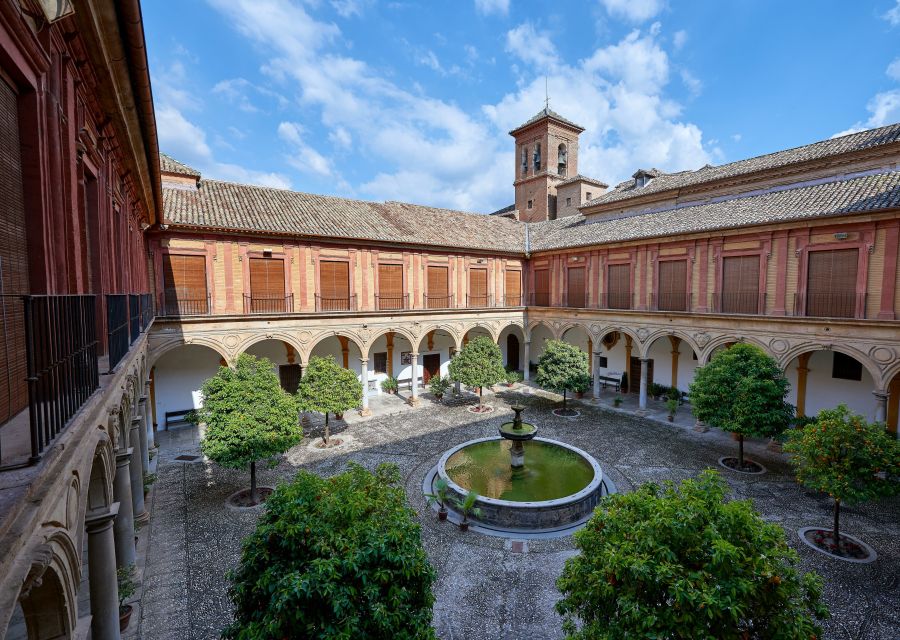
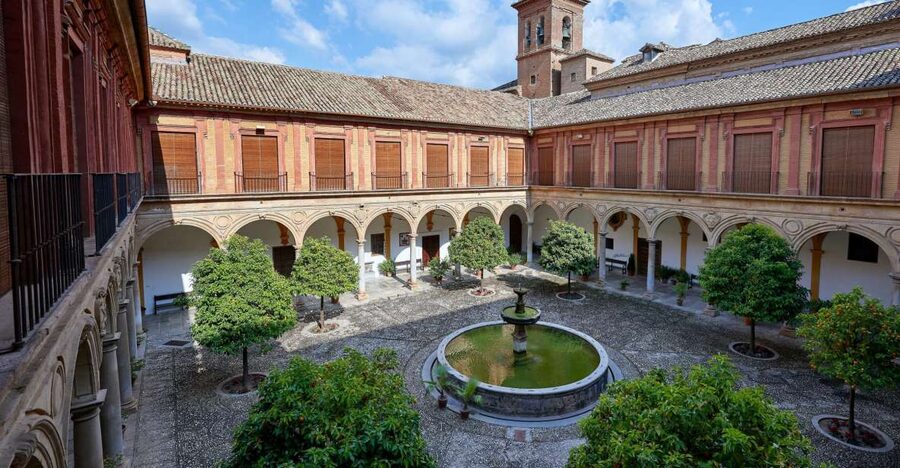
- Cloisters with real silence that slow your pace
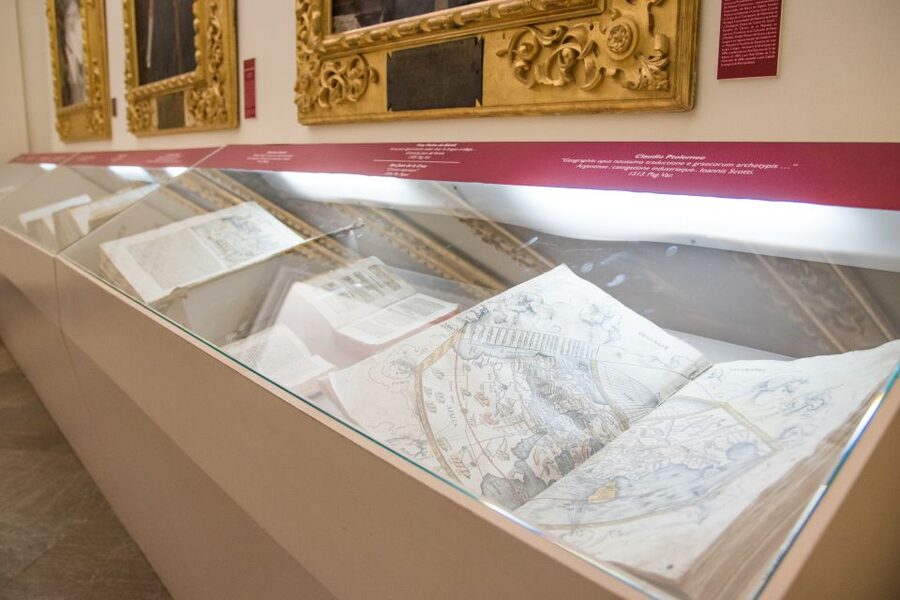
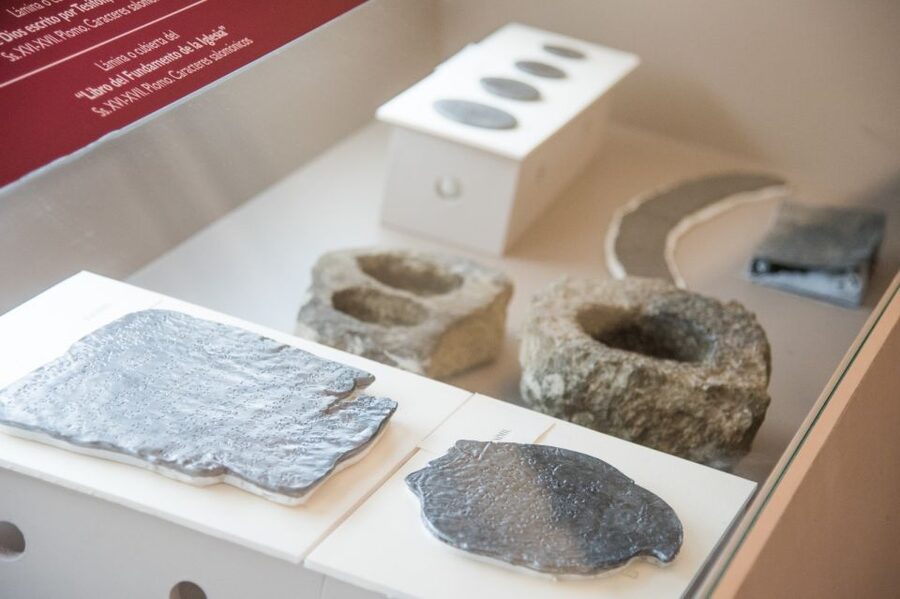
- Leaden tablets and the 1594 discovery that helped spark Sacromonte’s rise
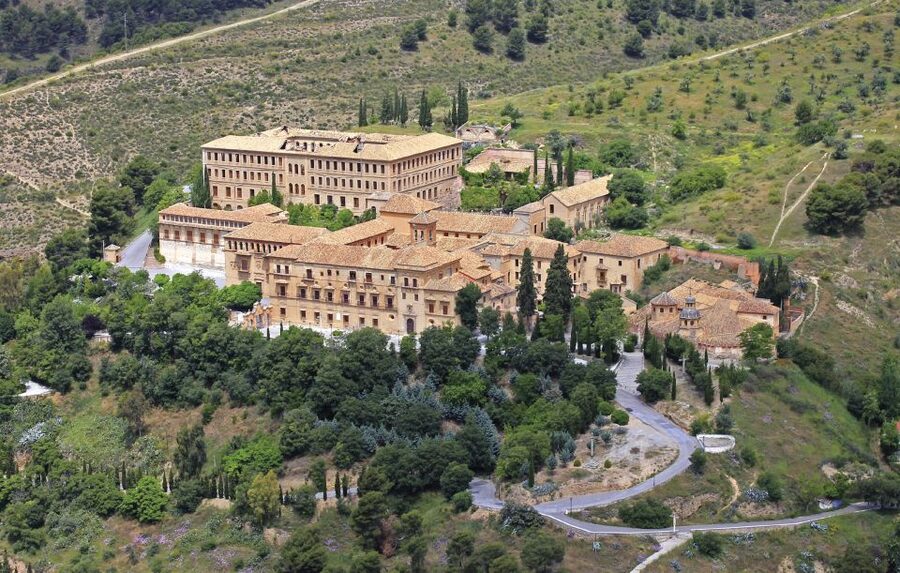
- Panoramic views from Mount Valparaiso for a Granada payoff
Sacromonte Abbey in Granada: why this visit feels different
Granada has no shortage of historic sites, but Sacromonte Abbey plays a different role. Instead of focusing only on one dynasty or one style, it shows you how a sacred story shaped buildings over centuries, starting with an important discovery in 1594.
What I like about this setup is that you do not feel rushed into a box. You walk through churches, courtyards, and other religious buildings that were completed in the 17th and 18th centuries, and the audio guide helps you understand what you are looking at as you go. It turns a hillside monument into a place with a timeline.
The abbey is also tied to Granada’s Romani community, which makes the experience more than just sightseeing. You are not only looking at stone and art, you are seeing how a living community and a sacred tradition share the same physical space.
More of the Albaicin and Sacromonte on foot:
- Granada: Albaicín and Sacromonte Guided Sunset Walking Tour
★ 4.9 · 2,962 reviews - Sacromonte: Flamenco Show at Cuevas Los Tarantos Tickets
★ 4.5 · 2,051 reviews - Granada: Flamenco Show in Albaycin – Jardines de Zoraya
★ 4.7 · 1,234 reviews
Entering the abbey grounds: skip the line and get oriented fast
Your ticket includes a separate entrance meant to help you skip the line, and that matters here. Sacromonte sits on a hill, so you will already be climbing and walking. Starting smoothly means you can spend more energy on the caves and less time waiting at the bottom.
Before you head in, take a moment for practical orientation. Wear comfortable shoes, because you will be moving through a mix of courtyards and religious spaces where your footing matters. If you want to follow the audio guide closely, keep your phone charged, since the visit is designed around self-paced listening.
Also note a key rule: bring an ID or passport. The entrance is tied to ticketing and security norms, and you do not want a small paperwork problem to ruin your timing.
The 1594 discovery and the leaden tablets that shaped Sacromonte
One of Sacromonte’s most intriguing threads is the story of how the site was built on existing relics, sparked by an important landmark discovery in 1594. The abbey’s development is tied to those origins, which means you are not just touring finished buildings. You are walking through the results of an early sacred claim that grew into a complex religious site.
The abbey is also known for leaden tablets, and those tablets are specifically called out as a trigger for building Sacromonte. I like when a monument gives you a clear narrative hook like that, because it turns your visit into something you can follow instead of just collecting architecture photos.
If you use the audio guide actively, you will notice how the story connects to what you see next. It helps you connect relics, meaning, and space. That is where the experience becomes more satisfying, especially if you are the type who likes understanding why a place exists, not just what it looks like.
Sacred caves at Sacromonte: the part people love for a reason
The single best-known element of this visit is Sacromonte’s sacred caves. They are not just an optional photo stop. The caves are treated as part of the sacred meaning of the area, and they help you understand why the abbey belongs to this hillside at all.
When you enter the caves, pay attention to how the atmosphere changes. The space feels different in a way you can sense right away, and it supports the whole tone of Sacromonte. I like that because it makes the visit feel coherent. You are not jumping between unrelated rooms. You are staying inside one idea of sacred space.
The audio guide is especially useful here, because caves are easy to experience as “cool and old” without knowing what to look for. With the guide, you can better connect the caves to the broader Sacromonte story, including the idea of building over relics and the 1594 discovery thread.
Tip: take your time in the caves. If you rush, it turns into a quick detour. If you slow down, it starts to feel like the main event.
A few more Granada days to weigh up
- Granada: Alhambra Entry Ticket with Audio Guide
★ 4.1 · 5,950 reviews - Alhambra entrance with Nazaries Palaces and audio guide without queues
★ 2.5 · 11 reviews - Granada Scavenger Hunt and Sights Self-Guided Tour
★ 5.0 · 9 reviews
Churches and courtyards from the 17th and 18th centuries
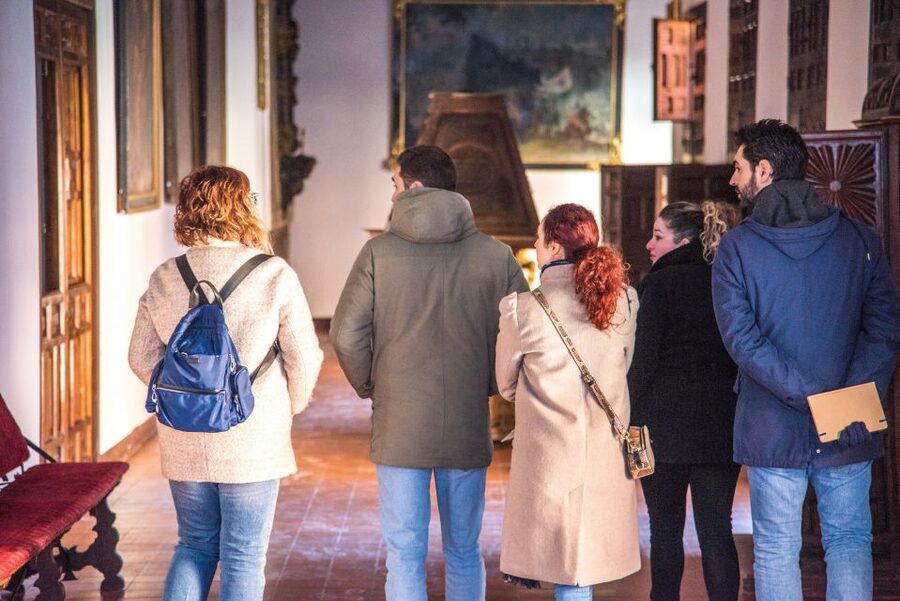
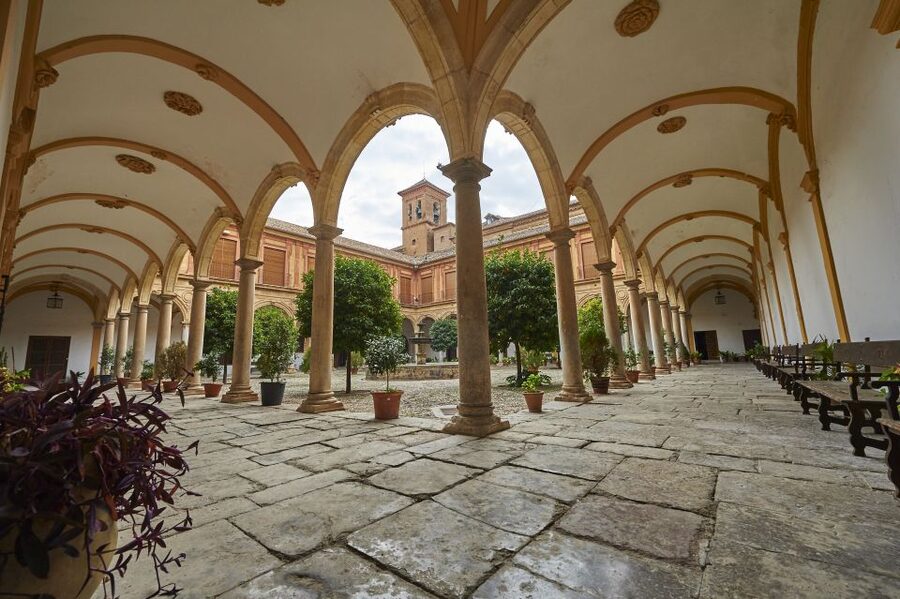
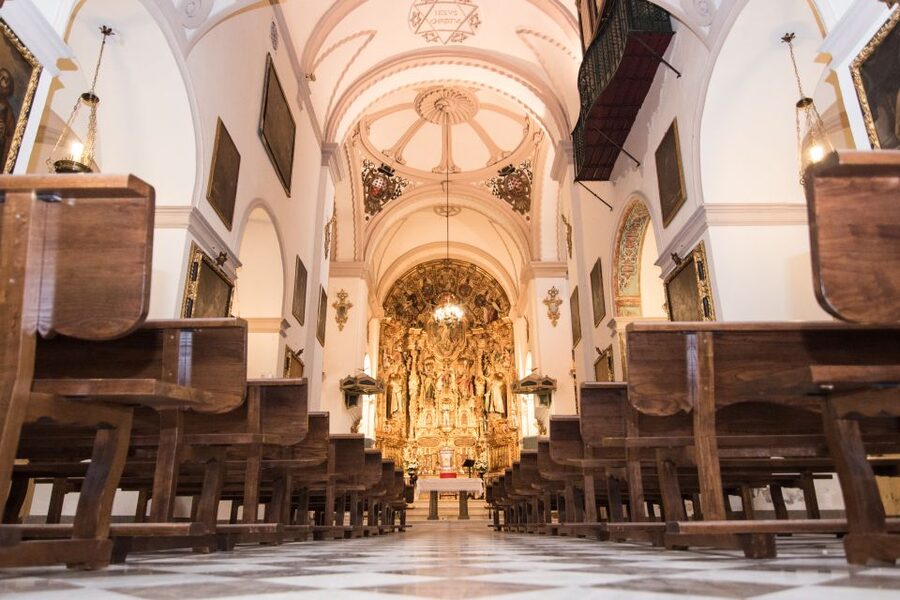
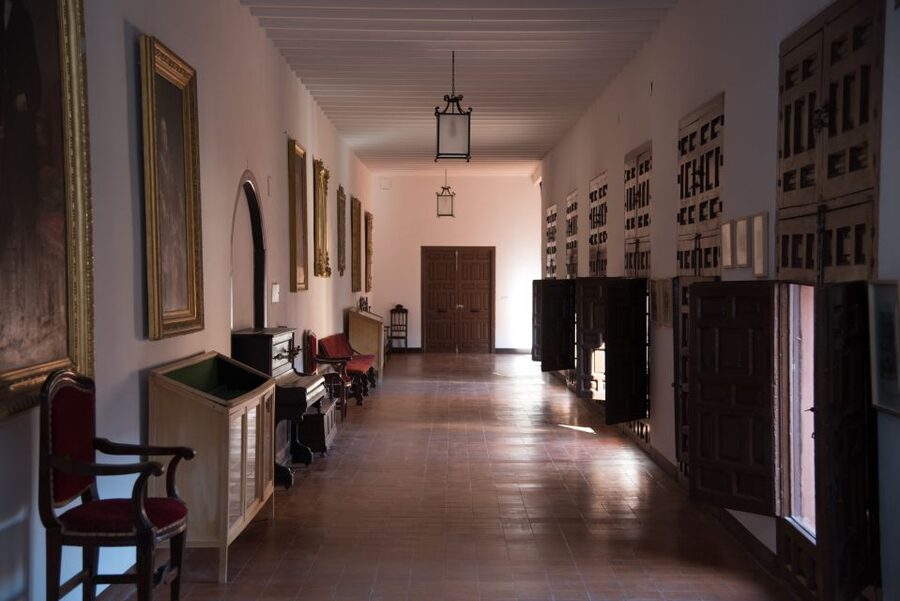
After the caves, you shift into the architectural side of the story. The abbey site includes a collection of churches, courtyards, and other religious buildings that were completed across the 17th and 18th centuries. That span is important, because it means you can see how the sacred idea kept expanding long after the initial discovery.
I love courtyards in places like this because they act like visual breathing spaces. They let you refocus after indoor or cave spaces, and they give you a sense of how people moved through the site.
In practical terms, this part of Sacromonte is where you will benefit most from a patient pace and comfortable shoes. You will be walking between multiple areas, and the audio guide helps you avoid that “I see pretty things but I cannot connect them” feeling.
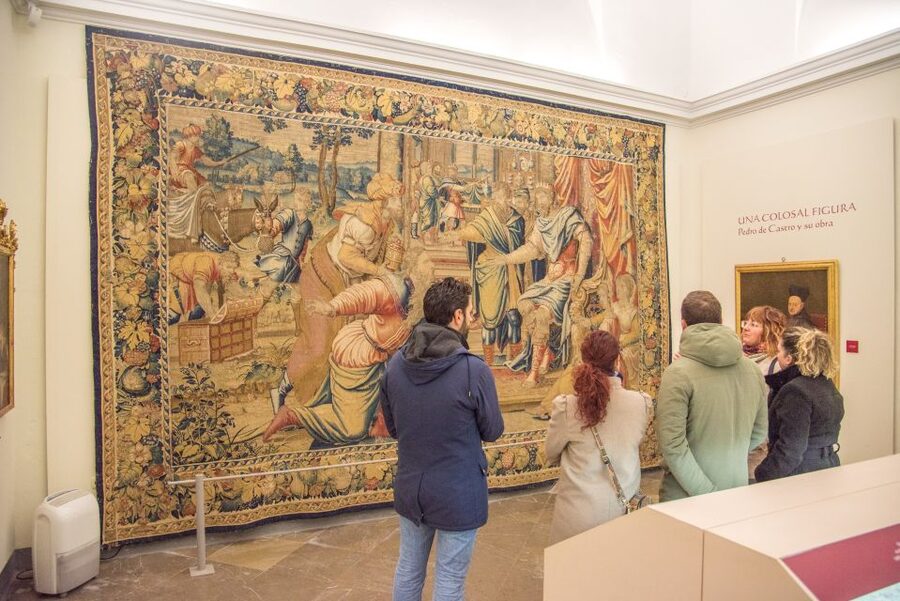
One more thing: you also get access to the permanent exhibition and a temporary exhibition. These are included in your entry fee, so plan your route so you do not treat them as an afterthought. They can add context that makes the rest of the abbey easier to understand.
Cloisters and quiet time: when the abbey actually feels peaceful
Sacromonte Abbey includes cloisters, and the standout detail here is the tranquil silence. That is not just a nice-to-have. Quiet spaces change how you experience religious architecture, because they give you room to listen to the audio guide properly.
I find that if you use the audio guide in a calm moment, the content lands better. You also notice details you would otherwise skip, like small transitions between areas, subtle changes in light, and the way the cloisters shape movement.
This is also the part of the visit where I think the abbey’s connection to community becomes easier to grasp. Places used for reflection tend to feel different than places designed only for tourism. Sacromonte feels like it still has a rhythm, even when you are visiting as a day ticket holder.
Romani community significance: a living connection to place
The abbey’s significance to Granada’s Romani community is one of the highlights included with this ticket. That matters, because it helps you understand Sacromonte as part of an ongoing cultural story, not just an old building that survived.
You do not have to be an expert to benefit. The audio guide is the tool here, since it is included and designed to explain the monument’s historical meaning and its contemporary significance, connecting it to Granada and beyond.
If you enjoy cultural context, this is the portion where Sacromonte becomes more than architecture. You start thinking about how a sacred site can belong to a community across generations, and how that belonging shows up in the physical space you are walking through.
Panoramic views from Mount Valparaiso: the Granada payoff
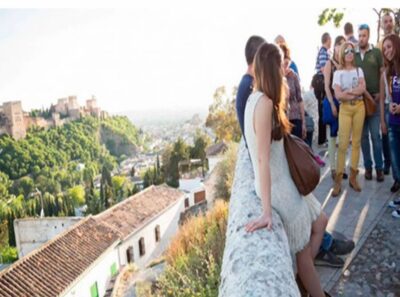
Sacromonte sits at a high point on Mount Valparaiso, and the views are part of what makes the ticket feel worth it. You will get panoramic perspectives over Granada as you move around the abbey grounds.
I recommend treating the viewpoints as scheduled breaks rather than random scenery. Pause, take a breath, and then continue. It helps you reset your attention, especially after darker spaces like the caves.
Also, if you plan your visit for later in the day when the light is gentler, the views usually feel more rewarding. Since exact opening and closing times can shift, aim for a time window that still leaves you enough room to enjoy the higher areas without feeling rushed.
Audio guide strategy: how to use it for maximum value
Your ticket includes an audio guide, available in Spanish, English, Italian, French, and German. This is a big part of the value, because it turns “walk around” into a guided interpretation without needing a group meeting point.
Here is how I suggest you use it:
- Start the audio guide right after entry so you have a narrative frame for the caves.
- Save the viewpoints for when the guide is done with the most narrative-heavy sections.
- If your language is not one of the options, the experience will feel more limited, so plan accordingly.
A practical note from real-world expectations: there is no Dutch language listed among the available options. If you were hoping for Dutch, you will likely need to switch to one of the other languages or rely on your own reading and observation for some sections.
What is included at Sacromonte Abbey (and what is not)
This ticket covers the core museum and monument access:
- Entrance fee
- Audio guide
- Permanent exhibition entry
- Temporary exhibition entry
- Skip-the-line entrance via a separate entrance
What is not included:
- Transfers
- Food or drinks
That sounds basic, but it affects your day planning. If you are visiting around meals, you will want to think ahead since there is no food included with the ticket. Bring water if you tend to get thirsty, especially if you will be walking up and down hills around Granada.
Timing matters: ticket office closes 1 hour before the monument
One of the most important practical details is also the easiest to miss. The ticket office closes 1 hour before the monument closes. That means you can still be at the entrance area with time pressure even if the site’s official closing time seems far away.
I like to treat this as a hard rule: arrive early enough that you are comfortable buying and entering well before the last hour. If you tend to linger, build in extra margin.
Also, do not assume every day runs the same. Based on past timing patterns shared in the experience feedback, the site may have periods where it is closed mid-day and reopens later. So check the live opening times for the day you plan to go, not just a general schedule.
Price and value: is $8 a good deal?
At $8 per person, this ticket is priced in a way that feels fair for what you get. You are paying for more than entry into one room. You get:
- an audio guide
- access to permanent and temporary exhibitions
- and meaningful coverage across caves, churches, cloisters, and courtyards
The value is strongest if you actually use the audio guide. If you skip it and treat everything as background, you lose a key part of why this ticket works.
I also think the skip-the-line entrance is part of the value. Even if you are not facing long lines, it reduces friction. In a place with timed closing rules, less waiting means more time inside the actual experience.
Practical rules to know before you go
These are straightforward, but they affect what you can bring and how you behave inside sacred spaces:
- Pets are not allowed
- Smoking indoors is not allowed
- Alcohol and drugs are not allowed
For your comfort, bring:
- Passport or ID card
- Comfortable shoes
I also suggest dressing for walking. Religious sites often require steady movement through different areas, so you want footwear that can handle uneven surfaces and repeated steps.
Who this visit suits best
Sacromonte Abbey with an audio guide is a good match if you:
- want a self-paced historic visit instead of a group tour
- like having context as you walk, especially for a place tied to a 1594 discovery
- care about the meaning behind religious architecture, not just the look of buildings
- enjoy caves and quiet spaces where you can take your time
If you want lots of interactive activities or guided live narration, this may feel more quiet and reflective. But if you like reading a site through an audio track and exploring at your own rhythm, you will probably enjoy it.
Should you book Sacromonte Abbey with an audio guide?
Yes, I think you should book this ticket if you want an efficient, value-focused way to understand Sacromonte. For $8, you get the parts that matter: caves, historic religious spaces from the 17th and 18th centuries, cloister calm, exhibitions, and panoramic views from Mount Valparaiso.
Just do two things to make the visit go smoothly. First, show up early enough to beat that ticket office closes 1 hour before closing. Second, double-check the day’s opening pattern and pick a time that leaves room for both the caves and the viewpoints, since mid-day closure can happen.
If you are in Granada anyway, this is the kind of stop that turns history into something you can experience under your feet.
FAQ
What does the Sacromonte Abbey ticket include?
Your ticket includes the entrance fee, an audio guide, and entry to both the permanent exhibition and the temporary exhibition. It also includes skip-the-line entry through a separate entrance.
How much is the ticket?
The price is $8 per person.
How long is the ticket valid?
The ticket is valid for 1 day. Starting times vary, so you should check availability for the day you plan to visit.
What languages are available for the audio guide?
The audio guide is available in Spanish, English, Italian, French, and German.
Are transfers included?
No. Transfers are not included with the ticket.
Are food and drinks included?
No. Food or drinks are not included.
What should I bring with me?
Bring a passport or ID card and wear comfortable shoes.
What is not allowed inside?
Pets are not allowed. Smoking indoors is not allowed. Alcohol and drugs are also not allowed.
When does the ticket office close?
The ticket office closes 1 hour before the monument closes, so arrive with enough time to enter.
Is there a cancellation option?
Yes. You can cancel up to 24 hours in advance for a full refund.
Latest to land in Granada
- Granada: Authentic and intimate Flamenco Show with Snacks★ 4.2 · 9 reviews
- Guided tour Granada Unexplained★ 5.0 · 5 reviews
- From Granada: Day Trip to Trevélez with Ham Factory★ 4.6 · 12 reviews
- Albaicín and Sacromonte Sunset tour + Flamenco show★ 5.0 · 11 reviews
- Guided tour Conspiracy in the Albaicín★ 5.0 · 6 reviews
- Water paths. Private adventure and history tour★ 5.0 · 6 reviews
- Albaicin guided tour with dogs★ 5.0 · 6 reviews
- Vía Ferrata in Granada – Moclín★ 5.0 · 4 reviews
Albaicín & Sacromonte Tours, side by side.
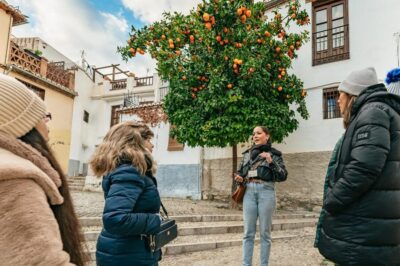
Albaicín and Sacromonte Guided Sunset Walking Tour
Read our review →

Flamenco Show in Albaycin – Jardines de Zoraya
Read our review →
Albaicin & Sacramonte Electric Bike Tour in Granada
Read our review →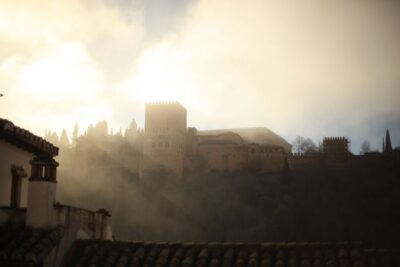

This tour also appears in