Reviewed · HISTORICAL TOURS
Water paths. Private adventure and history tour
Granada has a different kind of history trail, one you follow with your feet along fountains, springs, and channels. This water-focused walk blends nature and medieval infrastructure in a way that feels practical, not museum-ish. I especially love how it connects everyday places to the big story of the Alhambra, and I love the mix of shade, uphill views, and water curiosities. One consideration: the route includes sloping ground and is not suitable for reduced mobility, hearing, or visual impairment.
You’ll start in the Albaicín at 6:00 pm, move at a small-group pace with a specialized guide, and end back where you began. Most stops are short, so the 3 hours stay active without feeling rushed. If you’re traveling with kids under 7, or you want something flat and easy, this is probably not the right fit.
Key highlights you’ll feel in person
- Private, small-group format so you get personal attention, not a lecture-per-seat situation
- Water history on foot, from legends and artificial rivers to how the Alhambra was supplied
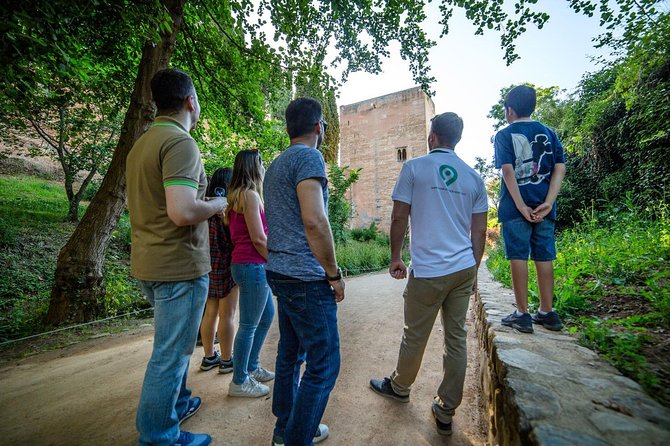
- Eastern Alhambra wall viewpoints, where you learn without needing to enter restricted areas
- La Silla del Moro without entering the ruins, but you still get the medieval layout lesson
- Cerro del Sol forest maze, with roads and ditches that show how countryside meets city
- Fuente del Avellano and Romayla ditch, pairing a famous spring story with a real water channel walk
Water paths: a practical way to understand Granada
This tour is built around one big idea: water shaped Granada, and you can still read that story in the city’s paths. It’s not just “pretty spots.” You’ll walk by fountains and features that used to be essential infrastructure, then connect those details to how people lived, irrigated, and built.
For me, the best part is that it stays hands-on. You learn by walking the same corridors water travels, and you notice how the terrain influences what was possible. And because it’s structured as a route with clear stops, you avoid the common problem in Granada, where you see individual sights but miss the system tying them together.
You also get a gentle nudge toward being outside in a smarter way. This is an active, environmentally friendly approach to getting to know Granada, and it’s paced for comfort rather than sprinting.
A few more Granada days to weigh up
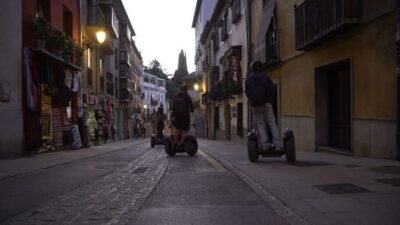
- Segway Your Way Through Granada’s History: The Ultimate Ride
★ 5.0 · 334 reviews - Albayzín y Sacromonte, Unesco Heritage Neighborhoods
★ 5.0 · 250 reviews - Granada: Historic Center and Lower Albaicin Walking Tour
★ 4.7 · 136 reviews
Private 3-hour walk from 6:00 pm, and what to expect on your feet
The experience runs about 3 hours and starts at 6:00 pm at Fuente del Paseo de los Tristes, Albaicín (18010 Granada). It ends back at the meeting point, so you’re not left figuring out where to go next.
It’s listed as private, meaning only your group participates. In practice, the emphasis is on close interaction with a specialized guide, and the reviews back that up with praise for professionalism and logistics. You’ll spend most of the time moving between stops, with short orientation moments at each one.
The physical side matters. You should have moderate fitness, you’ll wear comfortable shoes, and you’ll cross sloping slopes. That doesn’t mean it’s a mountain hike, but it does mean you should take it seriously if your legs tire easily. Also, this route is not recommended for children under 7.
Cuesta de los Chinos: an artificial river and Granada legends
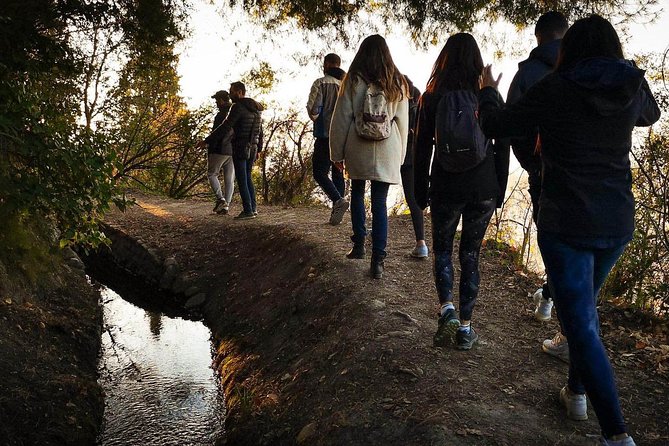
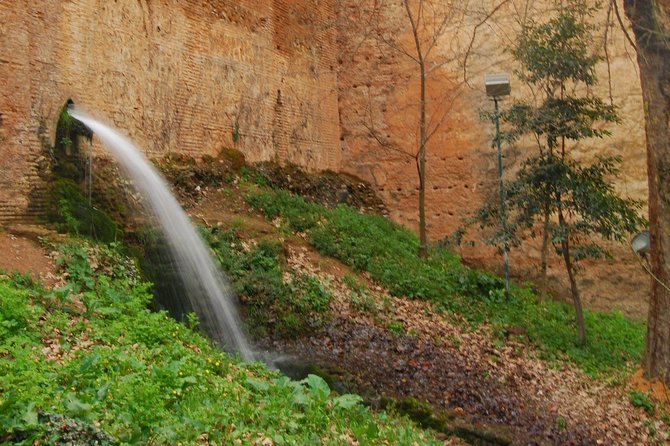
Your first stop is Cuesta de los Chinos, where you walk along a small artificial river. This is a clever opener because it frames the whole theme immediately. You’re not starting at a random scenic point. You’re starting where humans engineered water to make life work, then you layer in the city’s storytelling.
The guide adds legends with a local flavor, the kind you’d never find by Googling “Granada history.” These stories help you remember what the water system is for, not just how it looks. It’s a short stop, around 20 minutes, so you’ll keep moving without spending the entire time parked in one place.
What to watch for here: notice how the channel sits relative to the slope. Even without technical explanations, you can feel why water needs gravity and careful planning.
The Alhambra edge: how the eastern wall connected to water
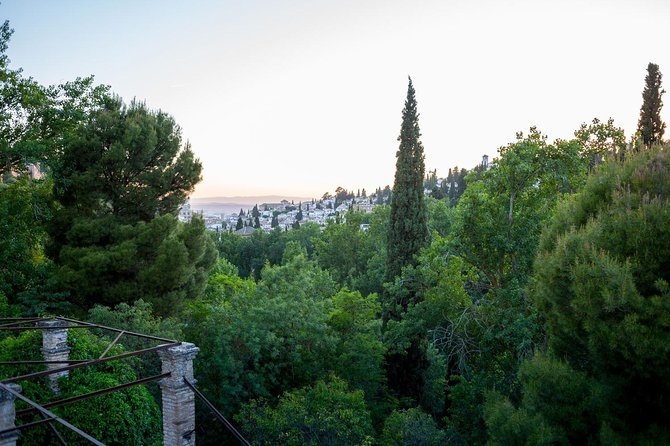
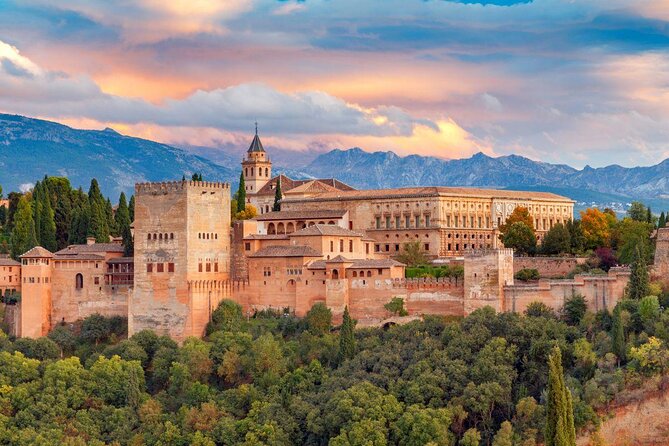
From there, the tour shifts to the eastern part of the Alhambra, at the foot of its wall. This is one of the most meaningful parts of the walk, because you’re learning how the Alhambra was supplied with water and what water was used for.
You’re not doing a full Alhambra admission-style experience. Instead, you’re learning the infrastructure that supported the palace and gardens. That makes the connection feel more real. The Alhambra isn’t just walls and tiles. It’s a place that needed water delivered reliably, managed carefully, and distributed where it mattered.
This stop is also about 20 minutes, which is the sweet spot for staying focused. You get the key ideas, and you don’t lose the thread to information overload.
A practical tip: if you’re a photo person, this is a good moment to grab pictures, but keep looking beyond the camera. The value is in understanding why water was placed where it was, right up against the fortress boundary.
Same city, a completely different kind of day:
- Granada: Alhambra & Nasrid Palaces Tour with Tickets
★ 4.7 · 19,801 reviews - Granada: Alhambra & Generalife Fast-Track Guided Tour
★ 4.7 · 8,313 reviews - Granada: Alhambra & Gardens Tour w/Nasrid Palaces Option
★ 4.5 · 6,437 reviews - Granada: Alhambra Entry Ticket with Audio Guide
★ 4.1 · 5,950 reviews
La Silla del Moro: top views and medieval space planning
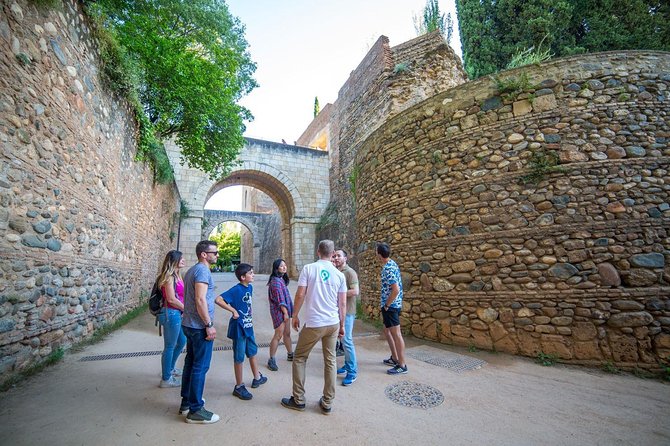
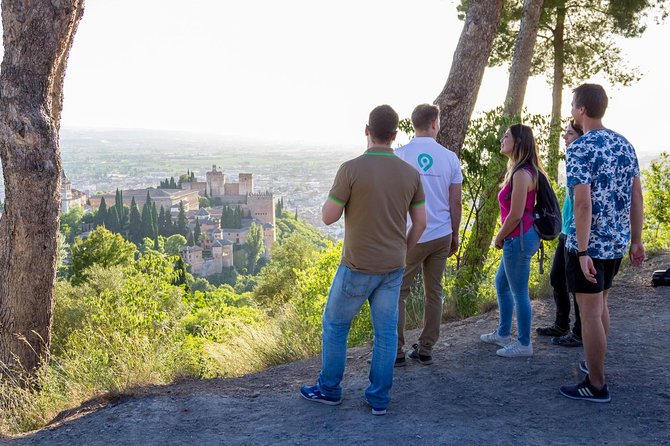
Next you reach La Silla del Moro, and the tempo changes. You’re going to enjoy as far as the eye can see views, and you’ll get a lesson in medieval planning and infrastructure.
Important detail: you do not access the archaeological ruins here. Instead, you learn how the space was organized in medieval times. That approach can be a plus. Ruins are powerful, but they can also be confusing if you don’t have context. Here, the context comes first, and you can understand what you’re seeing even without stepping inside.
This stop is shorter, about 10 minutes, so it functions like a quick “big picture” checkpoint. If you’ve been thinking, Why would they build here? Why would they route water like this? This is where you start answering those questions.
If you’re sensitive to stairs or steep steps, keep your pace steady. The viewpoint section is still part of an active route.
Cerro del Sol: the labyrinth of roads, ditches, and forest shade
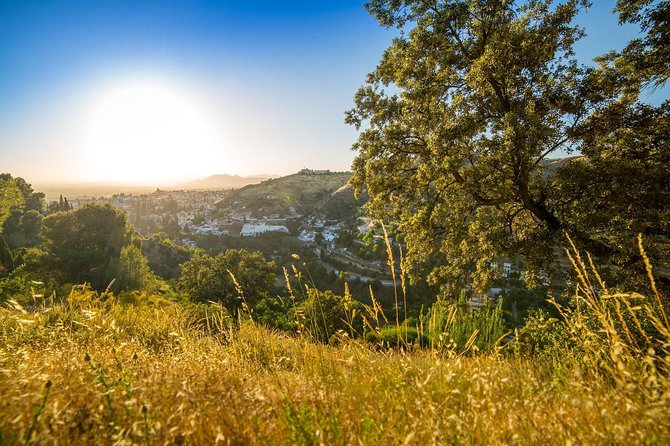
Then comes what the tour clearly treats as a highlight: Cerro del Sol. This is where the route turns into a walk through a labyrinth of roads and ditches, and it’s framed as the bridge between countryside and the city.
You’ll be walking in a lush forest area, which is a big comfort factor during warm evenings. Even if the light changes, the shade can make the uphill feel more manageable. This stop takes about 30 minutes, so it’s not a quick glance. You’ll have time to actually move through the water-adjacent environment and absorb the layout.
What makes this part valuable is the way it shows water as a system. Water doesn’t just “appear” at fountains. It travels through channels and ditches that shape how land gets used. When you walk through this kind of terrain, the water theme stops being abstract.
Potential drawback: because this section involves roads and ditches, expect uneven ground. Go slow, keep your footing, and don’t treat it like a paved city stroll.
Fuente del Avellano and the Romayla ditch: pure waters and practical flow
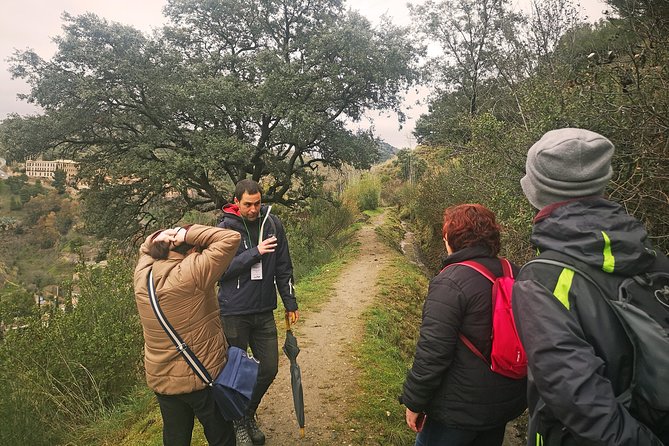
The tour ends with a more natural, symbolic note at Fuente del Avellano, described as a mythical source of pure and healing waters. Whether you take the “mythical” part literally or as local legend, the stop works because it ties story to place.
Then you continue along the ditch of Romayla. This is where the tour stays grounded. Instead of only talking about water as a concept, you track it as a physical line on the land. That combination is exactly what makes this experience different from a typical sightseeing walk.
Fuente del Avellano is about 10 minutes, followed by continued viewing along the ditch. The short format keeps it from dragging, and it gives you closure on the same theme you started with, engineered water in the real world.
If you’re the type who likes souvenirs of information, this is the stop where most people mentally “connect the dots” in their heads.
Guide quality: the part you feel most
This tour is driven by the guide, and the reviews I see consistently point to professionalism, punctuality, and the way guides keep the route engaging. Guides such as Jose and Mikael are specifically praised for knowledge and for making the experience run smoothly.
That matters because a water-and-history route can easily become either too technical or too vague. When it works well, you get the “why” behind the water features, plus the “what” you’re seeing right now. The best guides do both, and they also calibrate the pace for a small group.
One more thing: people mention that the logistics and timing are handled well. For you, that means less waiting around, fewer confusion moments, and more time actually walking, learning, and looking.
Price and value: what you’re paying for at $109.90
At $109.90 per person for a 3-hour private experience, the price is not a budget stroll. But it also isn’t paying for tickets and museums. You’re paying for two things:
1) A guide who can connect water features to Granada’s functioning city, including how the Alhambra fit into the water supply story
2) A private, small-group route that gives you access to places you might not notice or understand on your own
If you enjoy guided walks that explain how cities work, and you’re happy to trade a generic viewpoint for a focused theme, you’ll likely feel this is good value. If you’re the type who learns best by seeing lots of standalone sites at your own pace, then a paid guide may feel heavier.
Also, the tour tends to be booked ahead. On average it’s reserved about 17 days in advance, which usually signals steady demand for this specific format.
Timing, tickets, and a simple plan for your evening
The meeting point is Fuente del Paseo de los Tristes in the Albaicín, and the tour starts at 6:00 pm. That early evening timing can be great in Granada, because you’re often able to enjoy cooler air after the heat of the day.
The experience uses a mobile ticket, and the listed admission ticket for each stop is free. You’re not paying entry fees for those particular moments, which helps keep the overall cost tied to the guide and route.
Because you end back at the same meeting point, you can easily build your evening after the tour with dinner or a further wander in the Albaicín.
Weather and comfort: the non-negotiables
This experience requires good weather. If it’s canceled due to poor weather, you’ll be offered a different date or a full refund.
So plan like a local: check the forecast on the day you book, and remember that water-related terrain can get slippery if conditions turn. Wear comfortable shoes and be ready for slopes.
If you need step-free routes or extra visual or hearing support, this one is not suitable based on the route requirements.
Who this tour is for, and who should skip it
I’d recommend this tour if you like:
- walking tours with a clear theme, not random highlights
- history tied to everyday life, especially water and infrastructure
- small-group attention and a guided route with real explanations
- evening plans that include fresh air and shade
I’d skip it if you need:
- wheelchair access or step-free terrain
- a fully accessible route for hearing or visual impairment
- an easy stroll for very young kids (it is not recommended for children under 7)
Also be honest with your body. Moderate fitness is part of the deal here.
Should you book Water paths in Granada?
Book it if you want Granada in “systems mode,” not just “sights mode.” The water theme is specific enough to feel new, and it’s delivered in a way that makes the Alhambra and nearby forest feel connected rather than separate.
Skip it if you want a flat, casual walk or if accessibility needs don’t match the route requirements. And if you hate uneven ground, Cerro del Sol might test your patience.
If you do book, do yourself a favor and wear shoes with real grip, plan to arrive a few minutes early, and give yourself permission to watch the ground as much as the buildings. This is the kind of tour where the details become the story.
FAQ
How long is the Water paths private adventure and history tour?
It lasts about 3 hours.
What time does the tour start?
The start time is 6:00 pm.
Where does the tour begin?
The meeting point is Fuente del Paseo de los Tristes, Albaicín, 18010 Granada, Spain.
Is this tour private?
Yes. It is a private tour/activity, so only your group will participate.
What kind of fitness level do I need?
You should have a moderate physical fitness level. The route includes sloping slopes.
What should I wear?
Wear comfortable shoes, because the route includes sloping and uneven areas.
Is the route suitable for children?
It is not recommended for children under 7 years old, since the tour lasts about 3 hours.
Is it accessible for people with reduced mobility, hearing, or visual impairment?
No. The route is not suitable for people with reduced mobility, hearing impairment, or visual impairment.
What happens if the weather is bad?
The experience requires good weather. If it’s canceled due to poor weather, you’ll be offered a different date or a full refund.
Latest to land in Granada
- Granada: Authentic and intimate Flamenco Show with Snacks★ 4.2 · 9 reviews
- Guided tour Granada Unexplained★ 5.0 · 5 reviews
- From Granada: Day Trip to Trevélez with Ham Factory★ 4.6 · 12 reviews
- Albaicín and Sacromonte Sunset tour + Flamenco show★ 5.0 · 11 reviews
- Guided tour Conspiracy in the Albaicín★ 5.0 · 6 reviews
- Albaicin guided tour with dogs★ 5.0 · 6 reviews
- Premium Granada and other Cities Private Tour★ 5.0 · 12 reviews
- Vía Ferrata in Granada – Moclín★ 5.0 · 4 reviews
Historical Tours, side by side.

Segway Your Way Through Granada’s History: The Ultimate Ride
Read our review →
Albayzín y Sacromonte, Unesco Heritage Neighborhoods
Read our review →
Historic Center and Lower Albaicin Walking Tour
Read our review →

Tapas&Tours with Leo – Tasting Culture and History
Read our review →

This tour also appears in