
Reviewed · ALHAMBRA TICKETS
Alhambra Private/Small Group Tour & Nasrid Palaces Skip the Line
The Alhambra is one of those places where a guided walk actually changes everything, because you start seeing patterns, symbols, and politics behind the beauty. I like this tour because you get that hands-on interpretation from guides such as Carlos or Eduardo, not just a quick stroll. The two biggest perks for me are the skip-the-line entrance and the chance to focus inside the Nasrid Palaces, not just admire them from the outside.
One thing to consider: the monument can change entry time windows at short notice. That is why I’d take early check-ins and message alerts seriously, and show up with extra buffer so you do not miss the important Nasrid Palaces slot.
Key things to know before you go
- Guaranteed access built around the Alhambra’s limited daily capacity, so you avoid the long ticket lines
- Nasrid Palaces structure explained in human terms, from the Mexuar to the Lions courtyard halls
- Generalife Gardens with real “how it works” details, including courtyards tied to irrigation and water flow
- Palace of Charles V as the Christian layer inside the same complex, built over the Moorish story
- Small-group feel with a stated cap of up to 15 people, which helps questions and photo pauses
- Passport details are required at booking, and the Alhambra can refuse entry if names do not match
Why the Alhambra Feels Special With Skip-the-Line Access

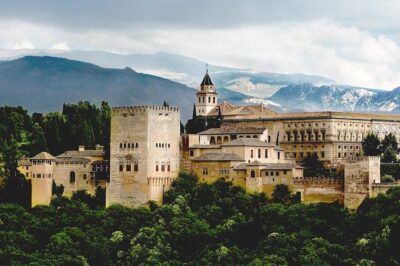
If you have only ever seen photos, the Alhambra can feel like a single masterpiece. In real life, it is a whole mini-world inside a fortress, built in phases, and shaped by different rulers. What makes this tour interesting is that it treats the site like a story with chapters, not a checklist. You go in, get context fast, and then the architecture starts making sense.
The biggest practical win is the fast-track entrance. The Alhambra limits visitors each day, so time matters. When you have reserved entry for the whole complex, including the Nasrid Palaces, you spend your energy looking up at plasterwork, tracing geometric patterns, and listening instead of standing in queues.
And the best part, in my opinion, is that you do not just look at palaces. You get the “why” behind them: Moorish sultans lived here, and later the Catholic monarchs adapted parts of it. That mix of culture is why the palace walls feel both theatrical and political.
Other ways to get into the Alhambra:
- Granada: Alhambra & Nasrid Palaces Tour with Tickets
★ 4.7 · 19,801 reviews - Granada: Alhambra Entry Ticket with Audio Guide
★ 4.1 · 5,950 reviews - Skip The Line Alhambra and Generalife Guided Tour
★ 4.0 · 3,825 reviews
Meeting Point, Names, and the Alhambra Ticket Reality
You meet at P.º de la Sabica, 15, in Granada’s Centro area. The tour ends back at the same meeting spot, and the start point is near public transport, which is helpful if you are arriving from elsewhere in the city.
Here is the detail that can make or break your day: when you book, you must provide each participant’s full name and passport details. The Alhambra can deny access if the info is wrong or incomplete. Double check spelling, especially if your travel documents use accents or different name order than you typed into the booking form.
You should also treat the tour time seriously. Some issues in the past have come from start time changes that did not land clearly with the traveler, so watch for any day-of updates. If your slot shifts, you want to adjust immediately, not “figure it out later.”
Finally, this is a small-group experience with a stated maximum of 15 travelers. In a site this intense, that size is part of the value. A smaller group means your guide can slow down at questions, explain details, and still keep the day moving.
Palace of Charles V: The 1500s Contrast Inside the Alhambra Wall
Your first stop is the Palace of Carlos V (Charles V), a Renaissance-style presence inside the Alhambra complex. Construction began in 1527, and the project financing is given as 1957 in the tour info you will see. Either way, the point is the layering: the site tells Moorish palace life first, then shows you the later imperial overlay.
Why this stop is worth including early: it helps you orient yourself. Before you hit the Nasrid Palaces, you see the shift in style and mood. It makes the Nasrid spaces feel even more intentional when you get there next.
Also, this stop includes admission ticket handling as noted in the tour plan. Practically, that means you are not hunting for separate entry details or scrambling with purchases at the last minute.
If you like architecture that reflects political change, this is a great “contrast chapter.” If you prefer to stay purely in the Moorish aesthetic, just remember this palace is the historical bridge that helps explain how the complex evolved.
Nasrid Palaces and Alcazaba: Courtyards, Thrones, and the Stories in the Stone
This is the heart of the tour, and it is where the skip-the-line access really earns its keep. You spend about an hour focused on the Nasrid Palaces, and you also visit the Alcazaba fortress as the older, most ancient enclave of the complex.
The Nasrid Palaces are described as a palatial complex made of three main buildings, and your guide will map those parts for you:
More guided walks through the Alhambra:
- Granada: Alhambra & Generalife Fast-Track Guided Tour
★ 4.7 · 8,313 reviews - Granada: Alhambra & Gardens Tour w/Nasrid Palaces Option
★ 4.5 · 6,437 reviews - Fast-Track Alhambra & Nasrid Palaces Guided Tour
★ 4.7 · 4,379 reviews - Granada: Alhambra Ticket and Guided Tour with Nasrid Palaces
★ 4.7 · 3,496 reviews
Mexuar: meetings and power
You start with the Mexuar, the oldest hall. It is tied to meetings between ministers and also to courtroom functions. That detail matters because it reframes what you are seeing. You are not just strolling through pretty rooms. You are walking through spaces built for rule and decision-making.
Palace of Comares and Patio de los Arrayanes: the diplomatic centerpiece
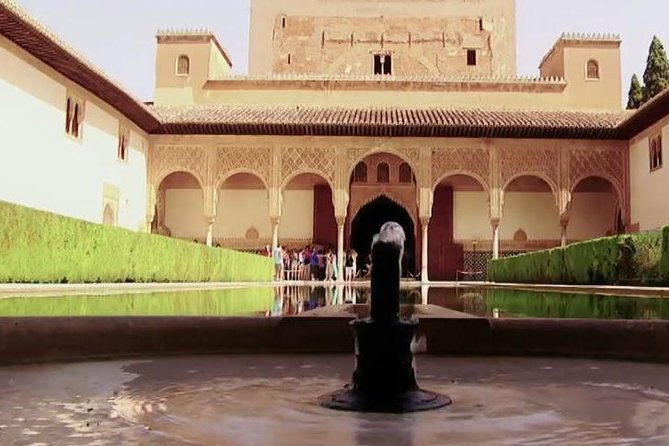
Next is the Palace of Comares, dating to the era of Yusuf I. It is built around the Patio de los Arrayanes, the Courtyard of Myrtles. The guide should connect the layout to the way authority was presented.
From there you reach key rooms, including the Sala de los Embajadores (Hall of Ambassadors), housed in the Tower of Comares, and the Sala de la Barca (Hall of the Boat). These names sound poetic, but the rooms are where you feel the audience focus. It is built for attention.
If you enjoy stories that make a room feel bigger than its walls, this is where strong guiding pays off.
Palace of the Lions: a royal residence of symbols and detail
Then comes the Palace of the Lions, dating to the era of Muhammed V. This part is organized around the Courtyard of the Lions, with halls along each side. Expect stops that include:
- the Hall of the Mocarabes
- the Hall of the Kings
- the Hall of the Two Sisters
- the Hall of the Ajimeces
- the mirador Daraxa viewpoint
- the Hall of the Abencerrajes
- and the Harem
This is where I like the “slow enough to notice” pacing. The hall names may feel like a list at first, but once your guide explains what each space is for, it stops being random. You start spotting how water, light, and ornamenting patterns all work together as a system.
Alcazaba fortress: the older layer you should not skip
Even though the palace gets most of the fame, the Alcazaba fortress deserves time. It is described as the most ancient enclave in the complex. Fortress first, then palace. That sequence helps you understand why the site feels like both a home and a stronghold.
Generalife Gardens: Patio de la Acequia, Patio de la Sultana, and Cooling Water

After the palaces, you move to the Generalife Gardens, up beyond the Alhambra walls in Cerro del Sol. Generalife was a country estate tied to the Nasrid sultans and used for agricultural production, so it is not just decorative greenery.
You visit the summer palace known as the Royal Palace of Happiness, which is one of those names that sounds like pure fantasy until you walk through and realize it is tied to comfort and leisure.
The tour specifically includes time for courtyards and their water presence, including the Patio de la Acequia and Patio de la Sultana. These names matter because they hint at what you should watch for: irrigation and the way water shapes the garden experience. Even if you do not become a horticulture nerd, you can still appreciate the logic behind the design.
This stop is also a good reset. The Nasrid Palaces can feel visually dense. In the gardens you get open sight lines, cooler air when the day runs hot, and a chance to look at how the complex “breathes” beyond the walls.
Guide Quality You Can Feel in the Questions and the Photo Stops
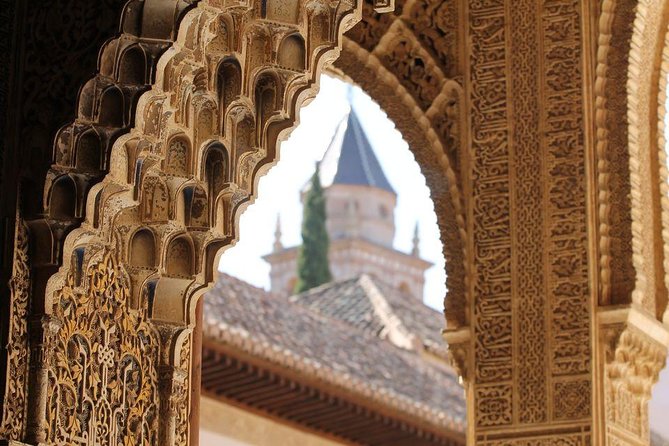
A tour like this lives or dies by the guide, because the Alhambra is famous but not always easy to translate for first-timers. The tour info here includes small-group guidance, and the overall rating is very strong, which usually means you are paying for clarity, not just entry.
From the guides attached to this experience, I would watch for three signs of a top day:
- The guide can explain what you are seeing without turning it into a lecture
- The guide keeps a steady pace but still makes time for questions
- The guide points out the details that most visitors miss, like how spaces connect and why particular courtyards matter
Several guides connected with this tour style are praised for mixing humor with history, keeping groups patient and organized, and answering questions with real confidence. Names that come up include Carlos, Eduardo, Andy, Fernando, Consuelo, Maria, Emilio, Alberto, Antonio, Vanessa, and Jenny. You might get any of them depending on the day, but if you do, you are in good hands.
Also, for photography: Generalife and the palaces have ideal angles, and some guides are specifically attentive about pausing at photo moments. That matters because with limited time windows, wandering off to “find the shot” usually turns into stress.
Walking, Timing, and When the Day Can Feel Like a Marathon
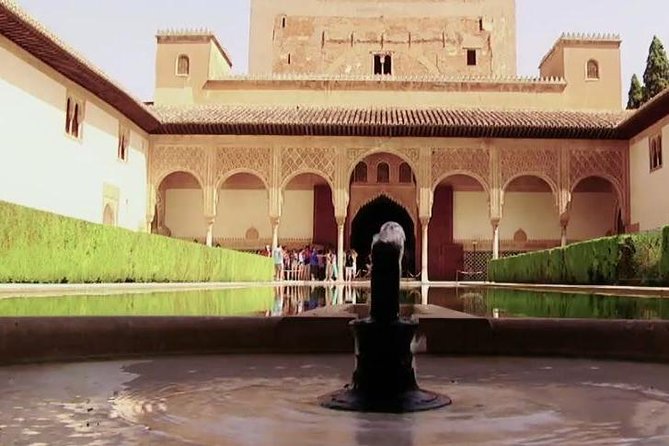
Even with skip-the-line access, this is still the Alhambra. Expect hills and steps. One of the practical review themes tied to this experience is that the walking can be real, even for people who thought they were prepared.
So I recommend you dress like you are doing a half-day hike with frequent stops. Comfortable shoes matter more than fashionable footwear. Bring water, and pace yourself. The tour runs about three hours, but the actual time you spend “in motion” can feel longer because you keep stopping.
Timing also matters because entry is limited, especially for the Nasrid Palaces. If your slot gets missed, you can end up with a frustrating day. That is why I keep emphasizing buffer time at the meeting point and watching for changes.
Language can also affect your experience. The tour is offered in English, but sometimes groups shift to mixed language formats when needed. If you are strict about language, it is smart to confirm how the day-of group will be handled when you book, not when you arrive.
Price and Value for About $107: What You Get for the Money
At $107.63 per person for an about three-hour tour, you are paying for two things that are hard to DIY:
1) a guide to interpret what you are seeing, and
2) guaranteed entry for the Alhambra complex, including the Nasrid Palaces.
In practical value terms, skip-the-line access is not a nice extra here. It is a way to protect your visit from time sink risk. The Alhambra’s limited capacity means tickets alone do not always equal a smooth experience. This tour bundles the reserved entry element with a guide so your day stays on track.
The tour also includes admission ticket coverage for key sections:
- The Palace of Charles V is listed with admission ticket free for that stop in the plan
- The Nasrid Palaces and Generalife are listed with admission included
On the flip side, you should plan your budget for what is not included:
- Food and drinks unless specified
- Transportation
- Headphones (not listed as included)
So, I treat the price as fair if you want a guided, structured visit and you are relying on the reserved entry to protect your schedule. If you would rather roam slowly with zero structure, this cost might feel unnecessary. But for most first-timers, the guide plus guaranteed access is exactly the combo that makes the Alhambra feel approachable.
Smart Extras: What to Bring, What to Skip, and Language Tips
Here are the practical choices I would make before you go:
- Bring your passport (or at least make sure your details match exactly). The Alhambra requires full name and passport details at booking, and access can be denied if it does not line up.
- Wear shoes built for steps. The tour covers palaces, fortress areas, and gardens, all in a hilly setting.
- Plan for no lunch included. You will want water and a snack strategy, then decide on a proper meal afterward.
- If headphones are not included, do not assume you will have them available. The listing does not say they are provided, so plan accordingly if you like audio support.
- If you have strong language preferences, remember the tour is offered in English, but the day-of format can change when a group needs it.
And one more thing that is part of the reality of a time-slot monument like this: the tour is non-refundable and cannot be changed for any reason. That means you should book only once your dates are locked in, not as a tentative maybe.
Should You Book This Private or Small-Group Alhambra Tour?
I would book this tour if you want an efficient, guided first visit to the Alhambra, and you care about getting into the Nasrid Palaces with less stress. The reserved access is the big draw, and the best part of paying for a guide is that you will leave with a clearer sense of how the whole complex evolved, Moorish sultans to later adaptations.
Skip it, or at least approach it with caution, if:
- you are extremely sensitive to schedule changes and would struggle if the start time shifts
- you expect a completely hands-off pace with no guide structure
- you need guaranteed strict language-only experiences (the tour is offered in English, but day-of group needs can affect how it is run)
If you are flexible, bring good shoes, and stay alert for updates, this is a strong way to see the Alhambra without turning your day into a queue management exercise.
FAQ
How long is the Alhambra private or small-group tour?
The tour runs about 3 hours.
Does the tour include skip-the-line entry to the Nasrid Palaces?
Yes. You get skip-the-line guaranteed entry to the whole Alhambra complex, including the Nasrid Palaces.
What stops are included during the tour?
You visit the Palace of Charles V, the Nasrid Palaces (including the Palace of the Lions and related halls), the Alcazaba fortress, and the Generalife Gardens.
Is the tour offered in English?
Yes, the tour is offered in English.
What information do I need to provide when booking?
The Alhambra requires the full name and passport details for each participant. If the details are not provided correctly, access may be denied.
Are food, headphones, or transportation included?
Food and drinks are not included unless specified. Transportation and headphones are also not included.
Latest to land in Granada
- Granada: Authentic and intimate Flamenco Show with Snacks★ 4.2 · 9 reviews
- Guided tour Granada Unexplained★ 5.0 · 5 reviews
- From Granada: Day Trip to Trevélez with Ham Factory★ 4.6 · 12 reviews
- Albaicín and Sacromonte Sunset tour + Flamenco show★ 5.0 · 11 reviews
- Water paths. Private adventure and history tour★ 5.0 · 6 reviews
- Guided tour Conspiracy in the Albaicín★ 5.0 · 6 reviews
- Albaicin guided tour with dogs★ 5.0 · 6 reviews
- Vía Ferrata in Granada – Moclín★ 5.0 · 4 reviews
Alhambra Tickets, side by side.


Skip The Line Alhambra and Generalife Guided Tour
Read our review →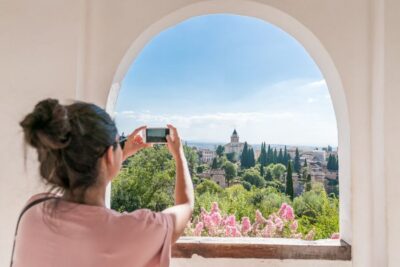
Alhambra Ticket and Guided Tour with Nasrid Palaces
Read our review →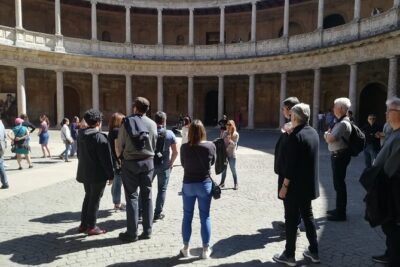
Alhambra & Generalife Skip the line Small Group including Nasrid Palaces
Read our review →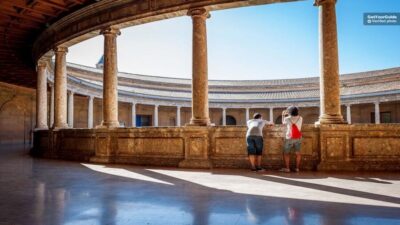
Alhambra and Generalife Garden Ticket & Guided Tour
Read our review →This tour also appears in